
Fishing Trip Mauritius: Everything You Need to Know Before You Cast
A fishing trip in Mauritius puts you on some of the most productive deep-sea water in the Indian Ocean, within an hour of shore. Blue marlin, yellowfin tuna, wahoo, and dorado run these waters year-round, with peak action between November and April. Whether you are a visiting angler planning a dedicated charter or a new resident looking to make the most of island life, Mauritius rewards the effort with variety, accessibility, and fish that justify the flight.
What Makes Mauritius a Serious Fishing Destination
The island sits on the edge of a dramatic underwater shelf. Within 10 to 15 kilometres of the west and south coasts, the ocean floor drops from the lagoon shallows to depths exceeding 2,000 metres. That proximity of deep blue water to the coast is what concentrates pelagic fish, and what keeps charter times short and productive.
Mauritius is not a budget-fishing destination in the way some Southeast Asian islands are. The boats are well-maintained, the skippers experienced, and the tackle modern. You pay for that quality, and it shows in catch rates.
Types of Fishing Available
Big Game Deep-Sea Fishing
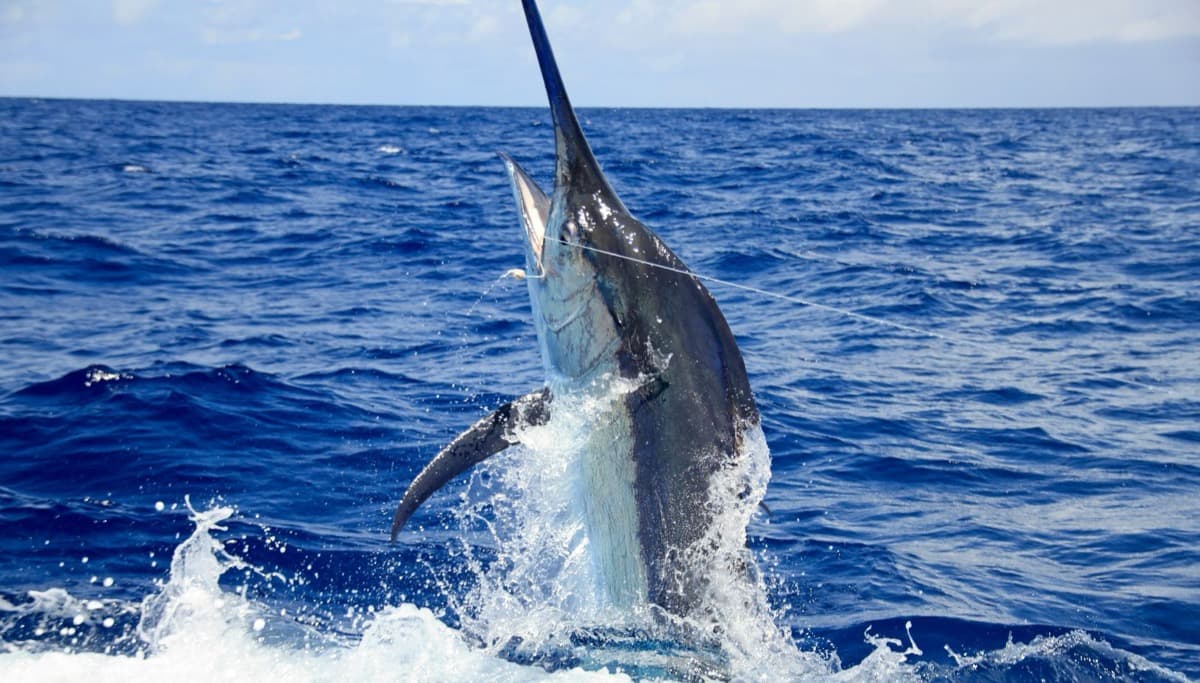
This is what most visitors come for. Trolling for blue and black marlin, yellowfin tuna, wahoo, and mahi-mahi (dorado) is the headline act. Charters depart from Black River (Rivière Noire) on the west coast, the acknowledged centre of game fishing in Mauritius, and from Grand Baie in the north.
Blue marlin weighing over 500 kg have been landed off Black River. Most operators follow a tag-and-release ethic for billfish, which has helped sustain the fishery.
Bottom Fishing and Reef Fishing
For anglers who prefer a slower pace, bottom fishing over the reef and drop-offs produces red snapper, grouper, and jobfish. This style suits families or mixed groups where not everyone wants the intensity of big-game trolling.
Fly Fishing on the Flats
Less publicised but genuinely excellent, the shallow lagoons, particularly on the east coast around Rodrigues Island and parts of the main island's south, hold bonefish and permit on sandy flats. Rodrigues, Mauritius's quieter outer island, is increasingly recognised among serious fly anglers for its undisturbed flats.
Shore and Lagoon Fishing
Local fishermen work the lagoon from the shore and from small pirogues throughout the year. Visitors can join organised lagoon fishing excursions that combine light tackle fishing with snorkelling and a beach barbecue, a practical option for non-specialist anglers.
Best Time for a Fishing Trip in Mauritius
The peak season runs from November through April, the southern hemisphere summer. Water temperatures rise, currents shift, and large pelagics, particularly marlin and yellowfin tuna, move into range in greater numbers. January and February see the highest concentration of blue marlin.
The cooler months, May to October, are not without merit. Wahoo and dorado remain catchable, and the seas on the west coast are often calmer. Trade winds can make the east coast rougher in winter, but Black River remains sheltered and fishable throughout the year.
Where to Base Yourself
Black River (Rivière Noire) is the practical choice for dedicated anglers. The marina has the highest concentration of licensed charter operators, and the town has a functional, unfussy character suited to people who are there to fish rather than to be seen.
Grand Baie in the north offers more resort infrastructure and a wider social scene. Fishing charters operate from here too, though the journey to the best deep-water marks is slightly longer.
Rodrigues Island, accessible by air or sea from Mauritius, is worth the extra effort for fly fishers and anyone seeking a genuinely remote experience. The island's infrastructure is modest but improving.
Booking a Charter: What to Expect
Full-day charters (six to eight hours) typically cost between €350 and €600 depending on the boat, crew size, and season. Half-day options are available but limit your time on the productive grounds. Most reputable operators include tackle, bait, refreshments, and a fishing licence in the price.
Verify that the operator holds a valid charter licence issued by the Mauritius Tourism Authority. Ask specifically about their tag-and-release policy for billfish, operators who practise this consistently tend to be more professional across the board.
Fishing in Mauritius as a Resident: A Different Relationship with the Water
For those who have relocated to Mauritius, whether through an occupation permit, a Premium Visa, or retirement residency, fishing shifts from a holiday activity to a regular part of life. Resident anglers often invest in their own small boats or join fishing clubs, of which there are several active ones on the west coast.
Managing the practical side of island life, banking, finances, and day-to-day administration, is a real consideration for new arrivals. The Mauritius Commercial Bank (MCB) is the island's largest bank and offers a full suite of digital services. Its internet banking platform, MCB Juice and the MCB Internet Banking portal, allows residents to manage accounts, make transfers, and pay bills online, practical for anyone spending extended time offshore or managing finances between Mauritius and another country.
For those researching internet banking in Mauritius, MCB's platform is the most widely used among both residents and businesses, offering multi-currency account management relevant to internationally mobile professionals.
Career and Job Opportunities in Mauritius for Fishing Industry Professionals
Mauritius has a legitimate marine and fishing sector beyond sport fishing. The island's tuna canning industry, centred on the free port zone, is one of the largest in the Indian Ocean region and a significant employer. Job opportunities in Mauritius in this sector include roles in marine logistics, quality control, fish processing, and export management.
For qualified marine professionals, career opportunities in Mauritius also exist in yacht management, dive instruction, and maritime tourism. The government's active push to attract skilled foreign workers through its occupation permit scheme means that jobs in Mauritius in specialist marine roles are accessible to non-citizens who meet the relevant criteria.
Job listings for the marine and broader sectors are advertised through the Human Resource Development Council (HRDC) and private recruitment platforms. Searching job.mu Mauritius, the island's primary online jobs board, returns current vacancies across industries, including hospitality, finance, and maritime roles.
For those considering a longer-term move, the combination of a productive fishing culture, a functioning financial infrastructure, and genuine Mauritius job opportunities across skilled sectors makes the island worth evaluating seriously, not just as a place to visit, but as a place to build a life.
Practical Notes for Visiting Anglers
- Fishing licences for sea fishing are typically arranged by your charter operator and included in the charter fee.
- Customs rules on bringing your own tackle are straightforward; declare high-value equipment on arrival.
- Tipping is customary for crew, 10 to 15 percent of the charter fee is the accepted norm.
- Seasickness is a real factor on the open ocean. The crossing to deep water can be rough, particularly in trade-wind season. Medication taken the night before is more effective than patches applied on the morning.
- Photography and fish handling: if you are targeting marlin on a catch-and-release basis, brief your crew in advance on your preferences for in-water photography versus boat-side handling.