
The Island
About Mauritius
History, culture, wildlife, geography and everything about this extraordinary island.
Introduction
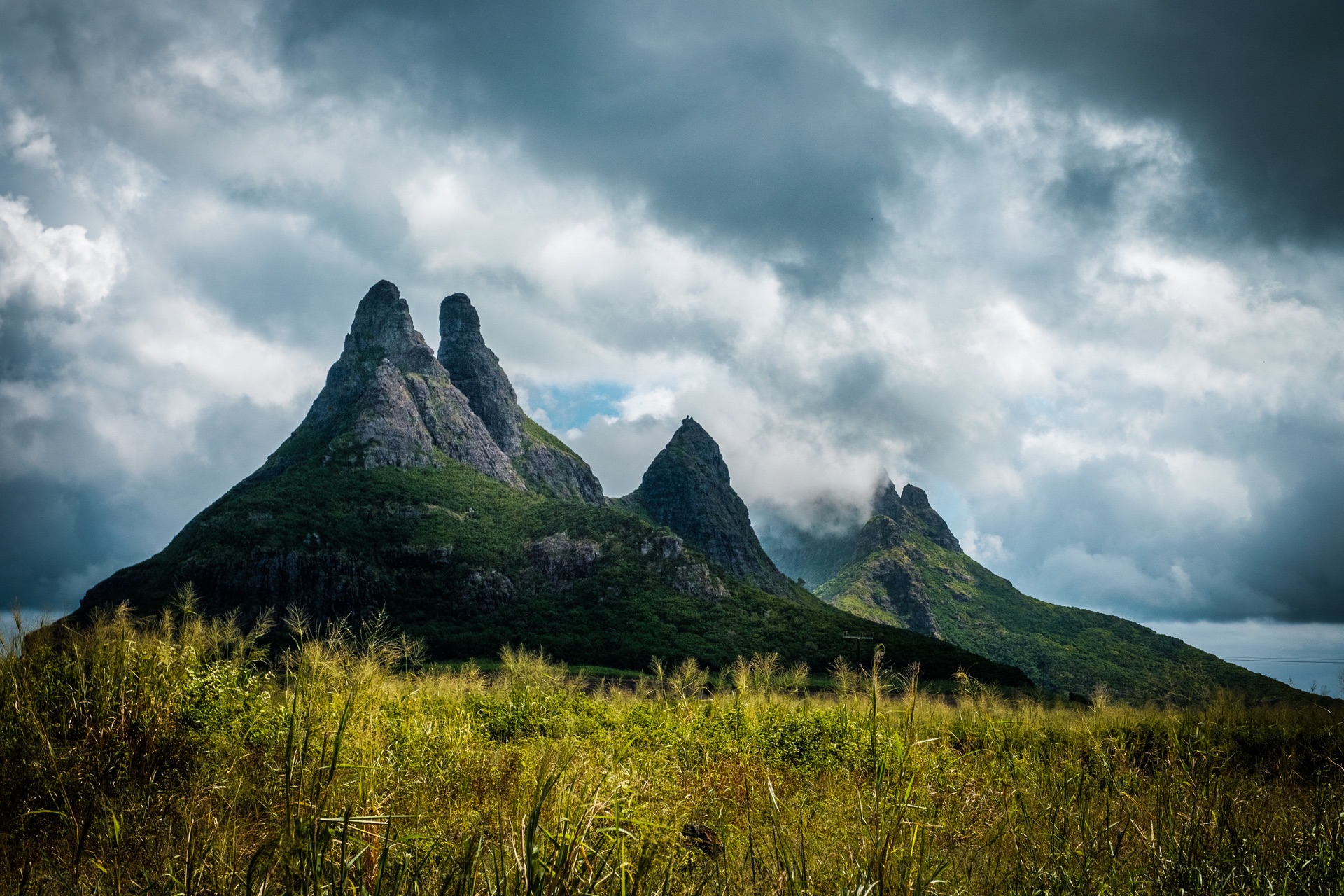
Mauritius is a volcanic island in the Indian Ocean, 2,000km off the east coast of Madagascar. Discovered by Arab sailors, colonised by the Dutch, French and British, independent since 1968 — it is one of the most diverse, stable and extraordinary places on earth.
Past
A History Unlike Any Other
Arab sailors first recorded the island, naming it Dina Arobi.
Portuguese discovery — sailors named it Ilha do Cirne (Island of the Swan).
Dutch colonisation — they named it Mauritius after Prince Maurice of Nassau.
Dutch abandon the island — the Dodo was driven to extinction during this period.
French take over — renamed Isle de France, it becomes a prosperous colony.
British capture — the Battle of Grand Port, the only Napoleonic naval victory on French flags.
Abolition of slavery — Indian indentured labourers begin arriving to work the sugar fields.
Independence — 12 March 1968. Mauritius joins the Commonwealth.
Republic declared — Mauritius becomes a republic within the Commonwealth.
Icon
The Dodo.
Extinct since 1681.
The Dodo — Raphus cucullatus — was a flightless bird found nowhere else on earth. Roughly the size of a turkey, it had no fear of humans and could not fly. Within eighty years of the Dutch landing in 1638, it was gone — hunted, eaten, and outcompeted by the rats and pigs the settlers brought with them.
“The dodo remains the symbol of Mauritius — a reminder of what we lose when we don't protect what is rare and irreplaceable.”
The Story of the DodoSociety
A Tapestry of Peoples
1.3 million people call Mauritius home. Four major ethnic groups — Indo-Mauritian, Creole, Sino-Mauritian and Franco-Mauritian — live side by side in a society that has, largely, made multiculturalism work. Six official languages are recognised, and four main religions — Hinduism, Islam, Christianity and Buddhism — coexist with remarkable harmony.
Sega music — with its African and Malagasy roots, its hypnotic rhythms and colourful dress — is the heartbeat of Mauritian culture. Food culture is equally layered: biryani, dholl puri, alouda, Chinese noodles and French-influenced fine dining all exist within a few streets of each other.
Land & Weather
Geography & Climate
Key Facts
Climate
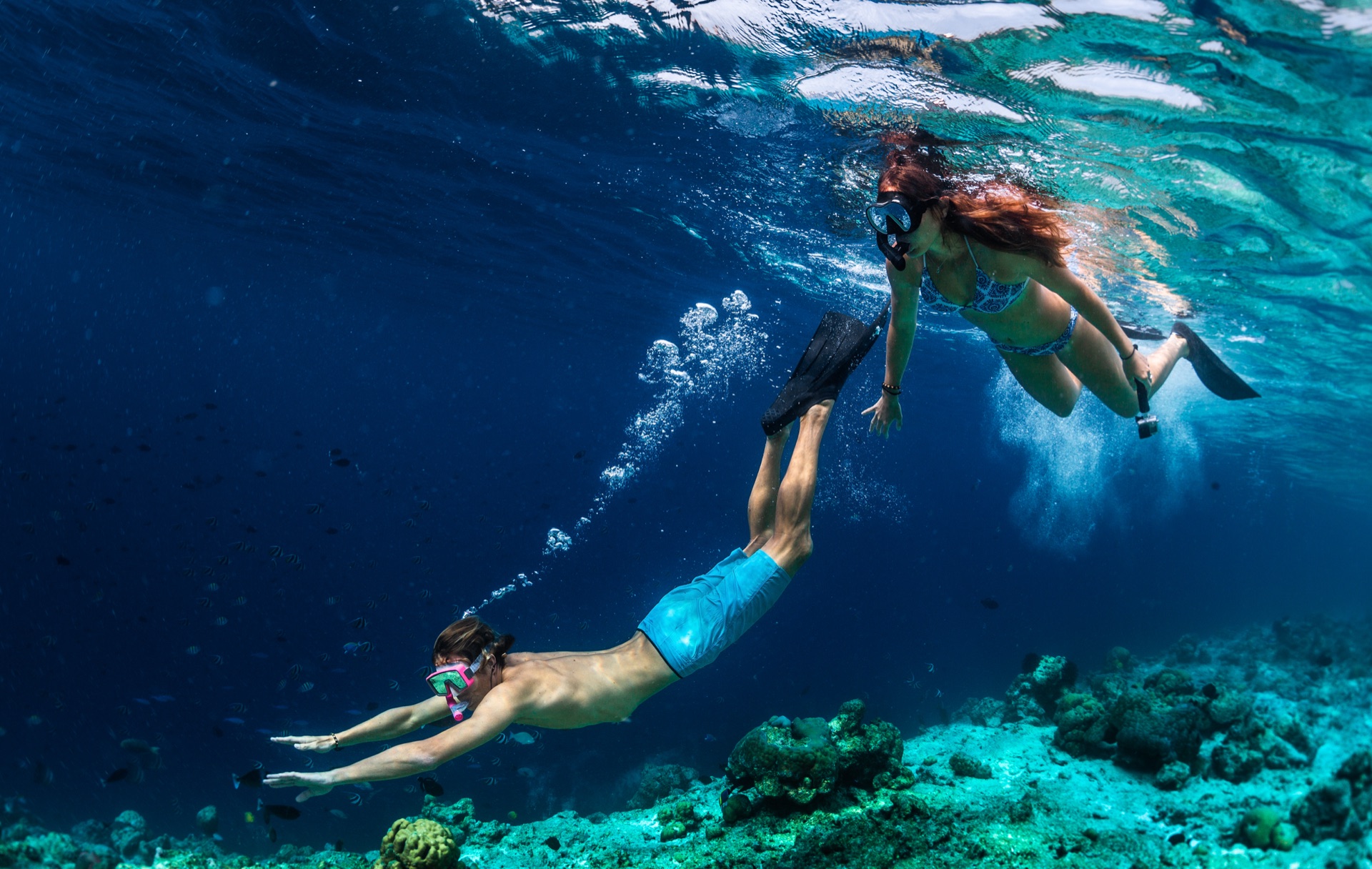
Hot and humid, 27–35°C. Cyclone season (January–March). The east coast takes the brunt of tropical storms. Sea is warm and rich with marine life.
Drier and cooler, 18–26°C. Widely considered the best time to visit — clear skies, calm seas, lower humidity. Trade winds bring ideal conditions for kite surfing and sailing.
Geography
The Island by Region
North
Grand Baie, coral reefs, calm lagoons and the island's most popular coast.
East
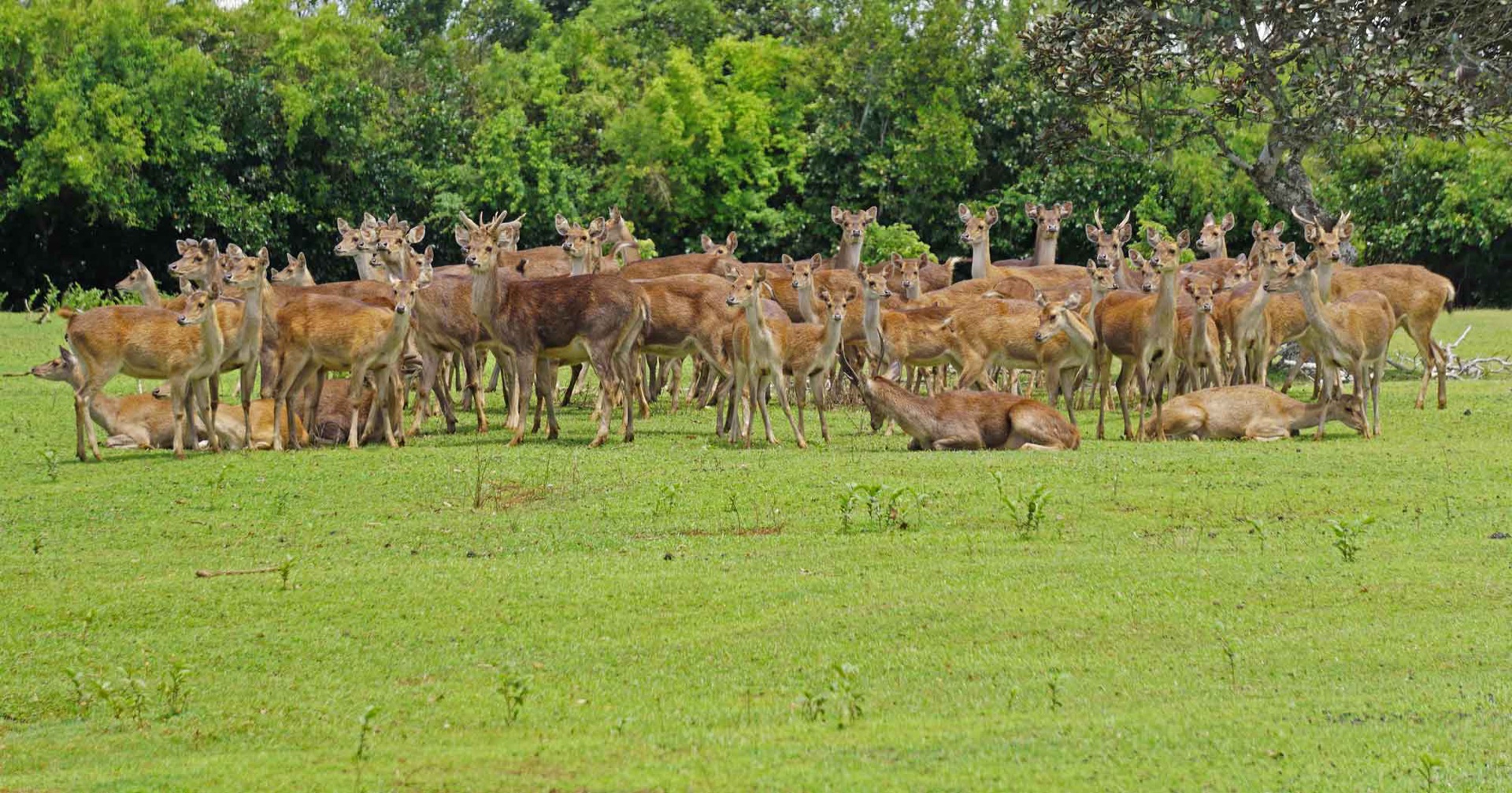
Wild coastline, Ile aux Cerfs, kite surfing and secluded beaches.
South
Dramatic cliffs, Black River Gorges and the island's most untouched landscapes.
West
Sunset coast, Le Morne, world-class kitesurfing and laid-back villages.
Central
Mountains, Curepipe, tea plantations and the island's cool highland interior.
Reference
Useful Information
Capital
Port Louis
Population
1.3 million
Currency
Mauritian Rupee (MUR)
Languages
English, French, Creole
Time Zone
UTC+4 (no DST)
Electricity
230V · Type G
Emergency
999 Police · 114 Fire & Ambulance
Driving
Left-hand side