

Stay Safe
Beach Safety in Mauritius
What every visitor needs to know before entering the water.
Beach Flag System
Read the flags before you swim
Beaches with lifeguards display coloured flags indicating current water conditions. Always check the flag before entering the water. When no flag is displayed, assess conditions yourself and proceed with caution.
Conditions are calm and safe. Lifeguard may or may not be on duty. Standard water safety rules apply.
Moderate conditions. Swim within the designated supervised zone. Children should stay in shallow water.
Dangerous conditions — high waves, strong currents, or severe weather. Do not enter the water.
Jellyfish, sea urchins, or other hazardous marine life have been reported nearby. Exercise extreme caution.
Marine hazards
Dangerous sea creatures
Mauritius is generally safe for swimming, especially inside the lagoon. However, the reef environment is home to several creatures that can cause injury. Awareness and basic precautions prevent almost all incidents.
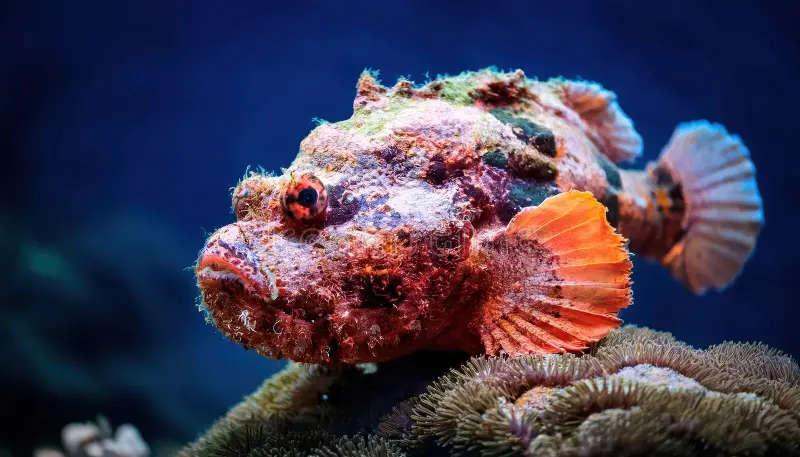
Stonefish
Extreme riskThe most dangerous creature in Mauritian waters. Perfectly camouflaged on rocks and sand on the reef floor. Venom injected through dorsal spines causes extreme pain and can cause cardiac arrest if untreated. Always wear reef shoes when walking on the reef. Antivenom is available at all public hospitals. If stung, immerse the affected area in the hottest water you can tolerate and go to hospital immediately.
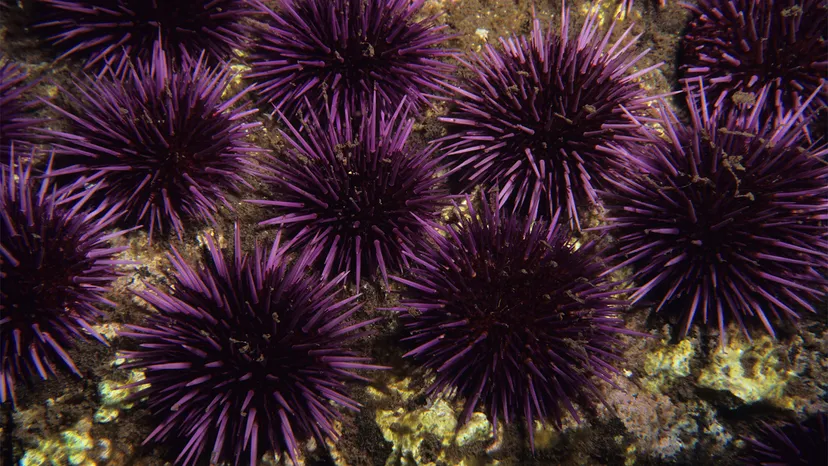
Sea Urchins
Moderate riskCommon on reef edges and rocky areas. Spines break off under the skin and are very difficult to remove. Painful but not life-threatening. Do not crush spines into the wound — use tweezers or seek medical attention. Softening the area with vinegar or urine can help. Reef shoes prevent most incidents.
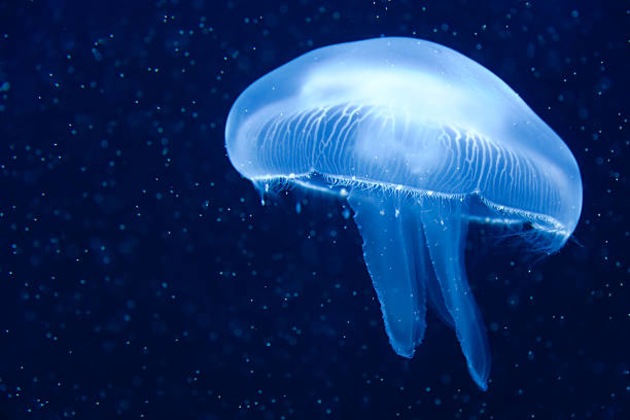
Jellyfish
Low–Moderate riskMore common after storms when currents push them inshore. Most jellyfish in Mauritius cause a painful sting but are not life-threatening. Box jellyfish — which can be fatal — are rare but have been reported. If stung, rinse with seawater (not fresh water, which activates remaining cells). Remove tentacles with a credit card, not fingers. Seek medical attention for severe reactions.
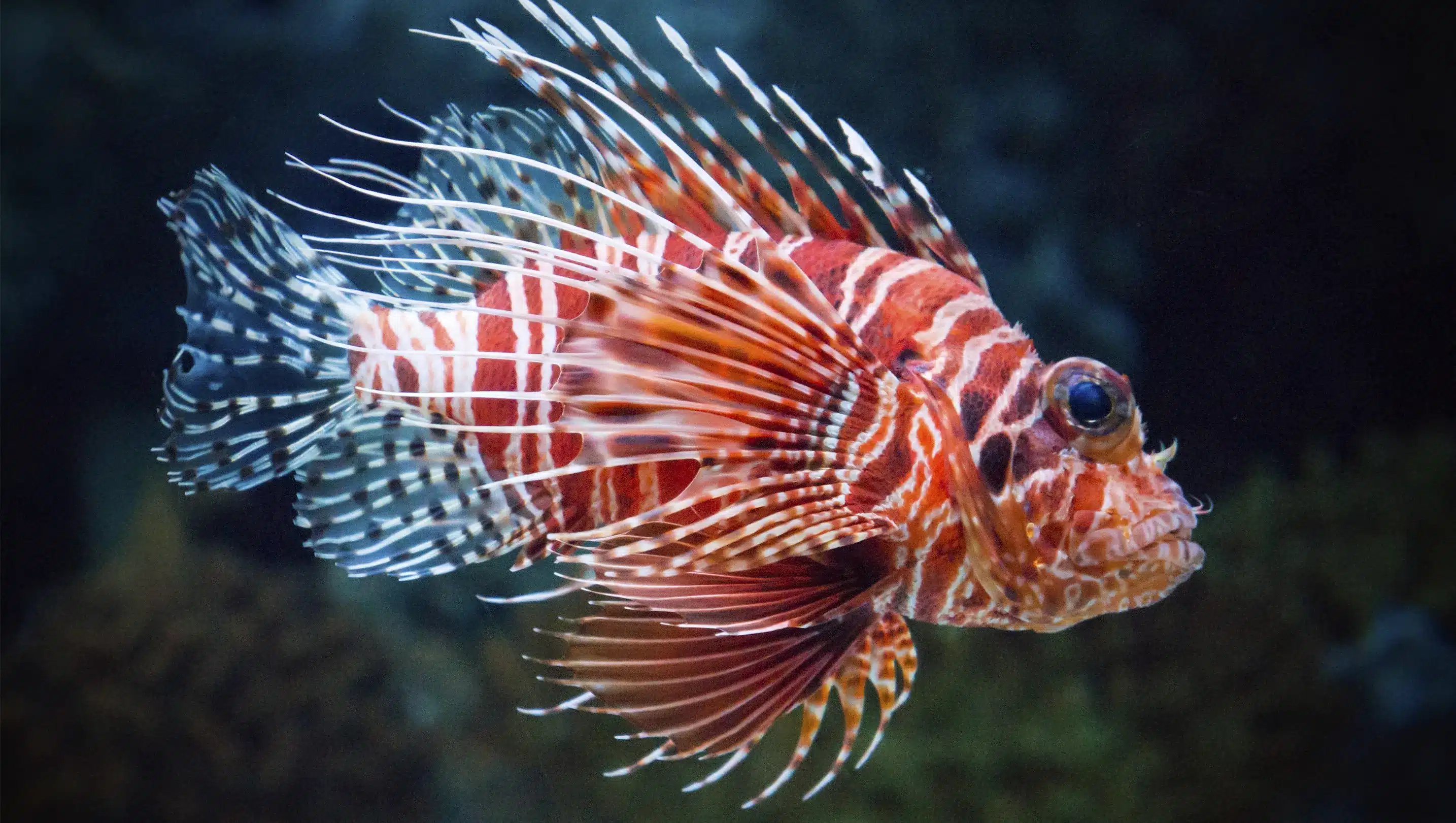
Lionfish
Moderate riskBeautiful striped fish with venomous spines. Native to the Indian Ocean and relatively common on coral reefs. Lionfish will not attack but venom is injected if spines are touched. Never reach into rock crevices or coral. If stung, immerse in hot water and seek medical attention.
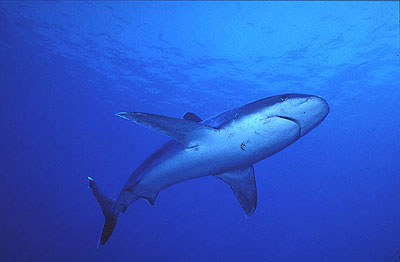
Sharks
Very Low riskTiger sharks and bull sharks are present in Mauritian waters, primarily beyond the coral reef. Shark attacks are extremely rare — the last fatal attack was in 2013, off the west coast. To minimise already low risk: do not swim at dawn or dusk, avoid swimming near river mouths after heavy rain, and do not enter the water with open wounds. Inside the lagoon, the risk is negligible.
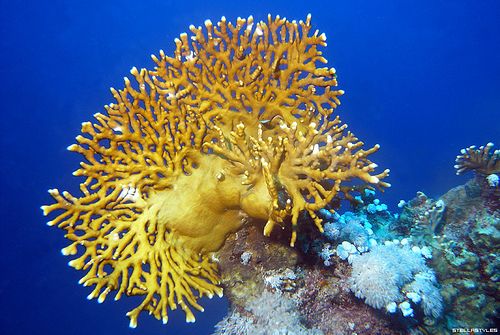
Fire Coral
Low riskNot a true coral — fire coral is a colonial organism that resembles branching coral. Contact causes an immediate burning sting and red welts. Common in shallow reef areas. Do not touch any coral. If stung, rinse with seawater and apply hydrocortisone cream. The reaction usually resolves within a few days.
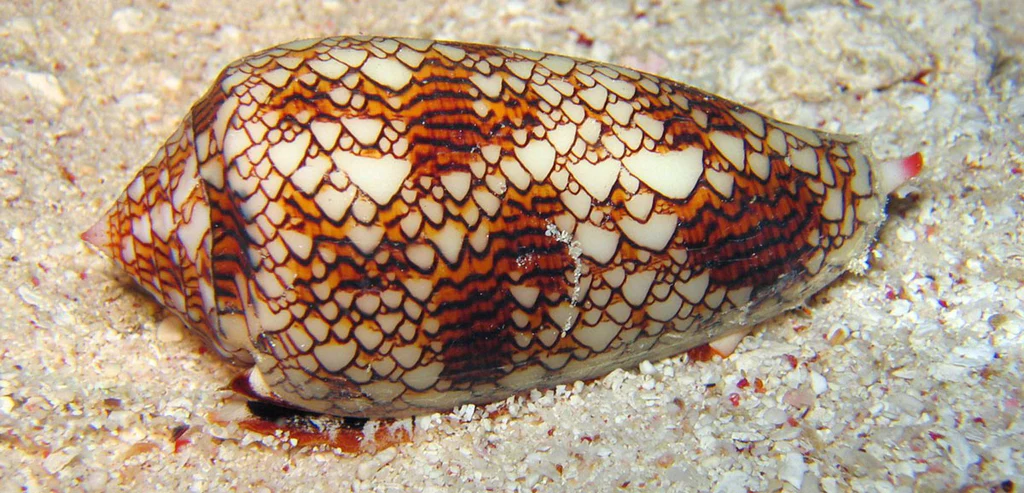
Cone Snails
High riskCone snails have beautiful patterned shells and are found in shallow reef areas. They carry a venomous harpoon-like tooth that can penetrate skin through the shell opening. There is no antivenom. Never pick up a cone shell — even apparently empty ones can be dangerous. If stung, seek emergency medical attention immediately.
Water movement
Currents & rip currents
Inside the reef
The coral reef that surrounds most of Mauritius creates a protected lagoon that is generally calm and safe for swimming. Inside the lagoon, currents are mild and conditions are suitable for all swimmers.
Outside the reef
Beyond the reef, ocean swells, strong currents, and unpredictable conditions make swimming unsafe without a boat or experienced guide. Do not attempt to swim outside the reef unless on an organised tour.
Identifying a rip current
Rip currents are fast-moving channels of water flowing away from shore through gaps in the reef or sandbar. They appear as discoloured, choppy water moving seaward while surrounding water remains calm. They are narrow but very powerful.
If caught in a rip:
- Do not panic and do not fight the current
- Swim parallel to the shore until clear of the current
- Then swim diagonally back to the beach
- Signal for help if you cannot make progress
UV exposure
Sun safety
The UV index in Mauritius regularly reaches 11 or above — classified as extreme. Sunburn can occur within 15 minutes at midday, even on overcast days. Water reflects UV radiation, increasing exposure while swimming.
Apply SPF 50+ sunscreen 30 minutes before sun exposure and reapply every 2 hours
Seek shade between 11am and 3pm when UV radiation is strongest
Please use reef-safe sunscreen — chemical sunscreens damage coral reefs
Emergency contacts
Who to call
General Emergency
999
Police, fire, ambulance
Ambulance
114
Medical emergencies
Coast Guard
230 4283666
Sea rescue and maritime emergencies
General safety tips
Own a beach-related business in Mauritius?
List it free →