

Marine Life
Sea Life
in Mauritius
Spinner dolphins, sperm whales, reef sharks, manta rays — one of the Indian Ocean's great marine environments.
Mauritius is surrounded by one of the Indian Ocean's great coral reef systems. Inside the reef, a warm, protected lagoon is rich in reef fish, rays, and invertebrates. Outside the reef, deep blue water drops away quickly — hosting resident pods of spinner dolphins, UNESCO-listed sperm whale habitat, and large pelagic species.
The marine environment is spectacular and diverse. Visitors come specifically for dolphin watching, whale encounters, world-class diving, deep-sea big game fishing, and snorkelling in some of the clearest water on earth.
The section on dangerous species below is essential reading for anyone swimming, snorkelling, or wading on the reef.
Experience It
Dolphins & Whales in the Wild
Mauritius is one of the few places on earth where you can swim with wild spinner dolphins in the morning and watch resident sperm whales dive on the same day. The west coast between Tamarin and Le Morne is UNESCO-listed for its critically important cetacean habitat.
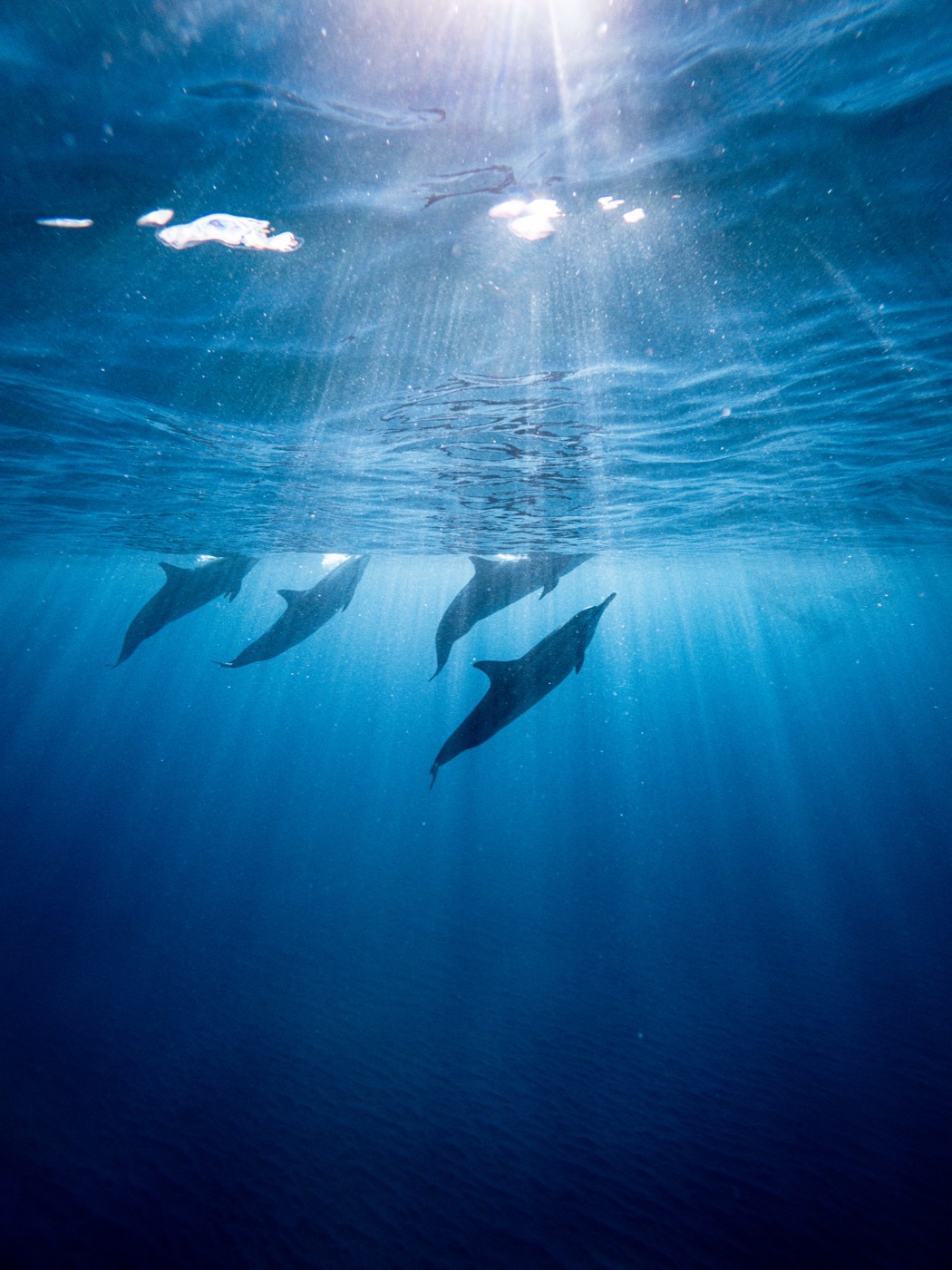
Spinner dolphins off the west coast of Mauritius
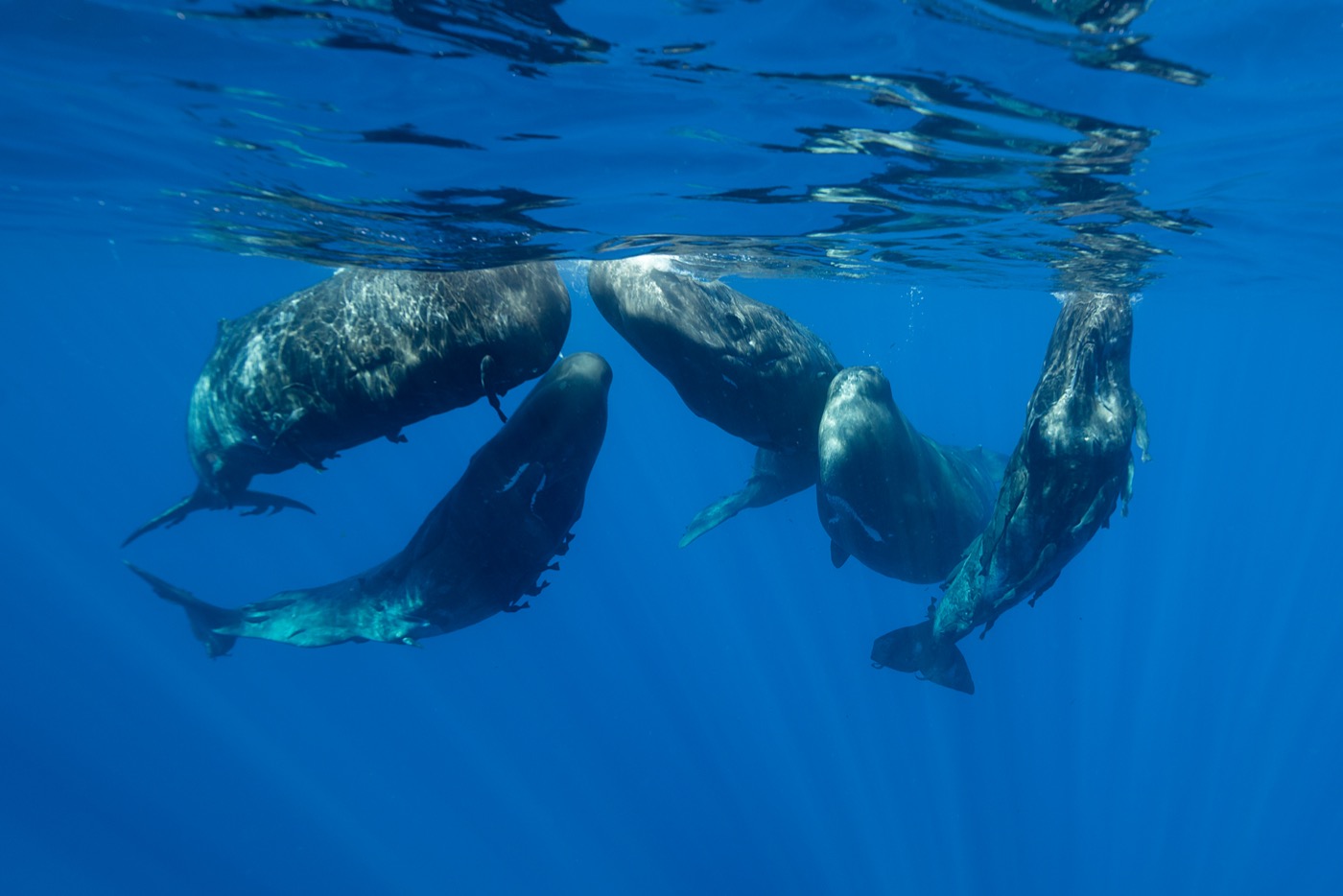
Resident sperm whales — Tamarin to Le Morne corridor
Whales & Dolphins
Cetaceans
Mauritius has year-round resident cetacean populations — something few tropical destinations can claim. Dolphin watching trips operate daily from the west coast.
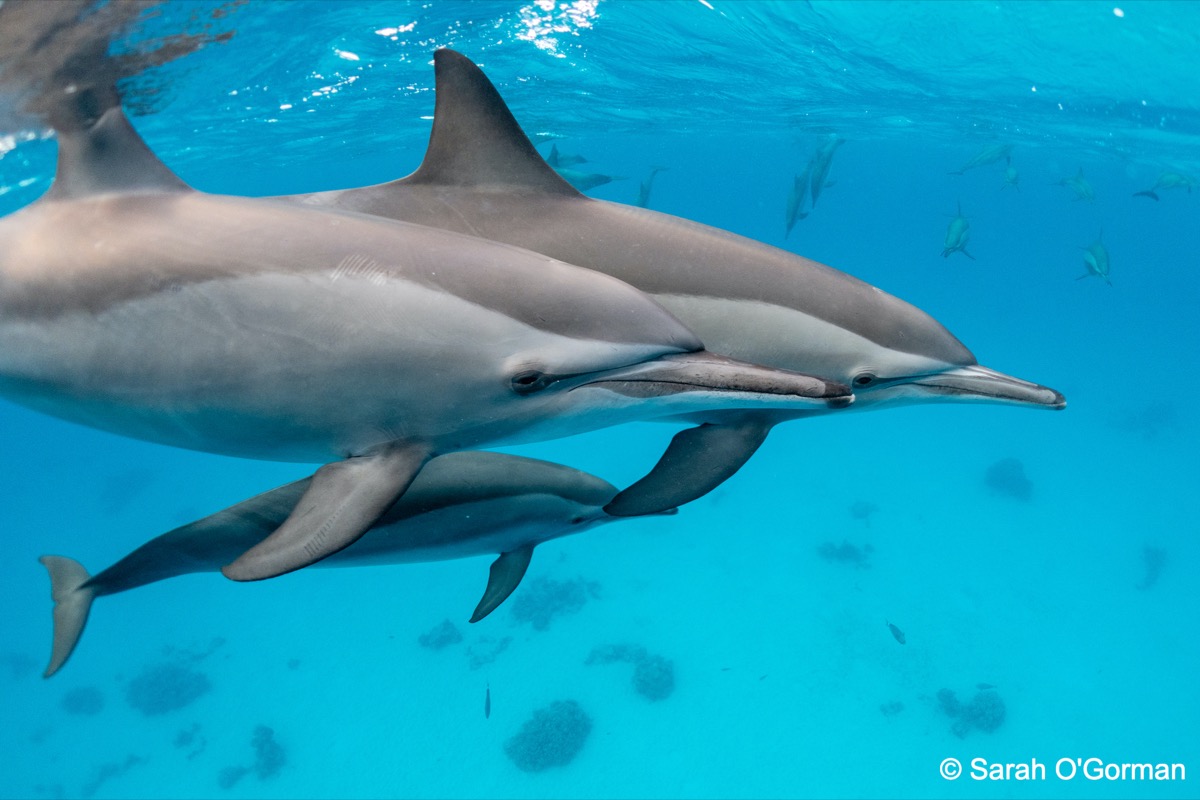
Year-round · Tamarin Bay, west coast
Spinner Dolphins
Stenella longirostris
Resident pods of 100–400 spinner dolphins live permanently off the west coast. Named for their acrobatic spinning leaps, they hunt offshore at night and rest in the morning shallows. Dolphin watching trips are popular — choose ethical operators who allow dolphins to approach the boat voluntarily rather than chasing. In-water encounters at the dolphin's choice.
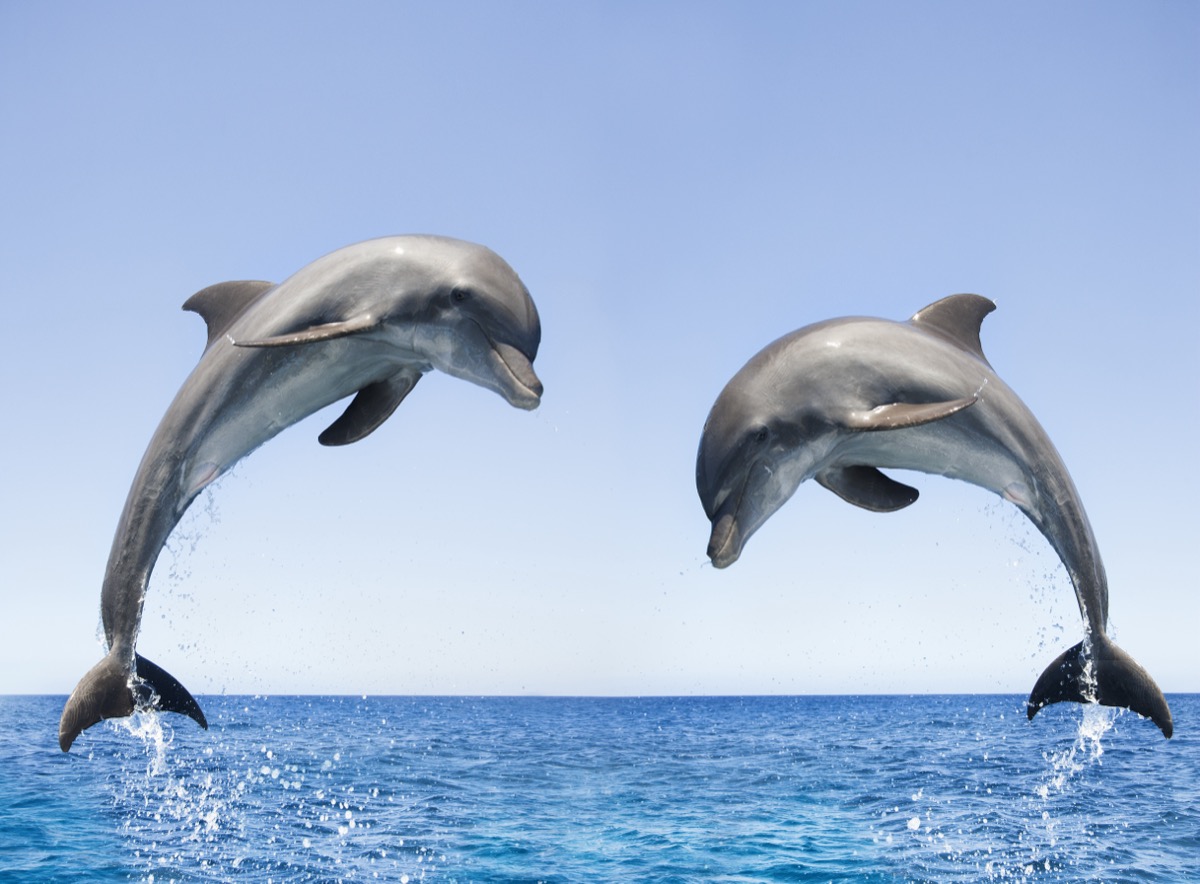
Year-round · West and south-west coast
Bottlenose Dolphins
Tursiops truncatus
Larger and more powerful than spinners, bottlenose dolphins are also resident in Mauritian waters. Less reliably encountered from boat trips than spinners, but a more impressive physical presence — adults reach 3.5m. Socialise in smaller pods and are occasionally seen bow-riding boats. Intelligent and curious.
Year-round, best June–Oct · Deep water, west coast
Sperm Whales
Physeter macrocephalus
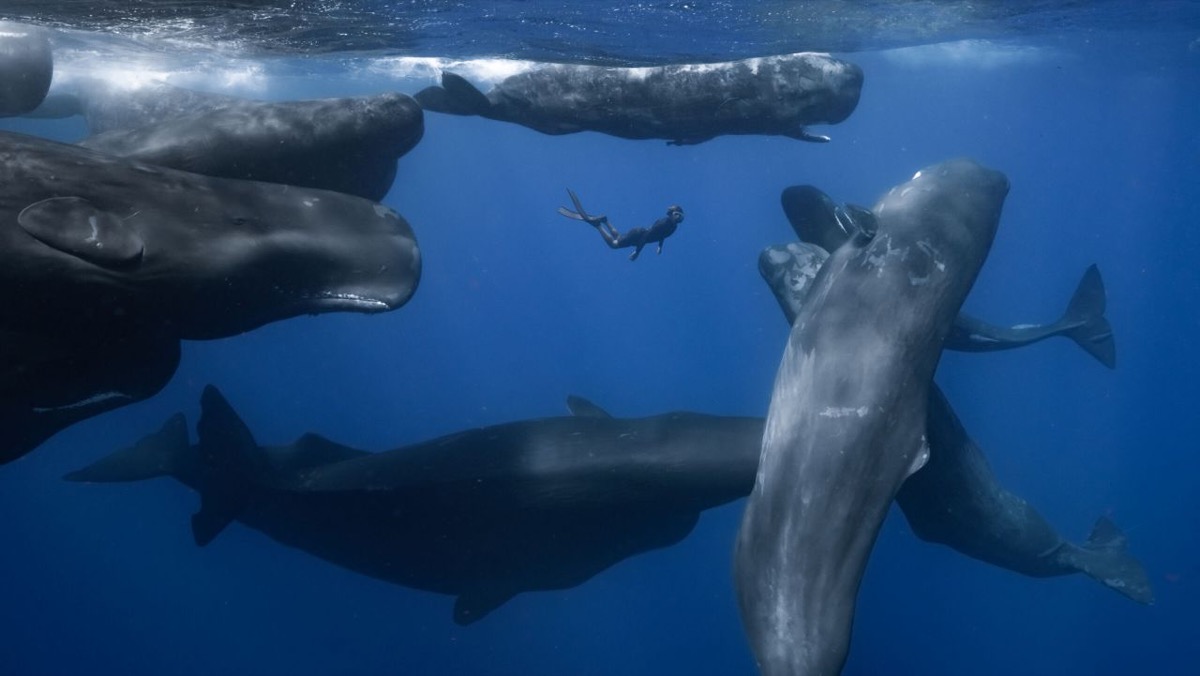
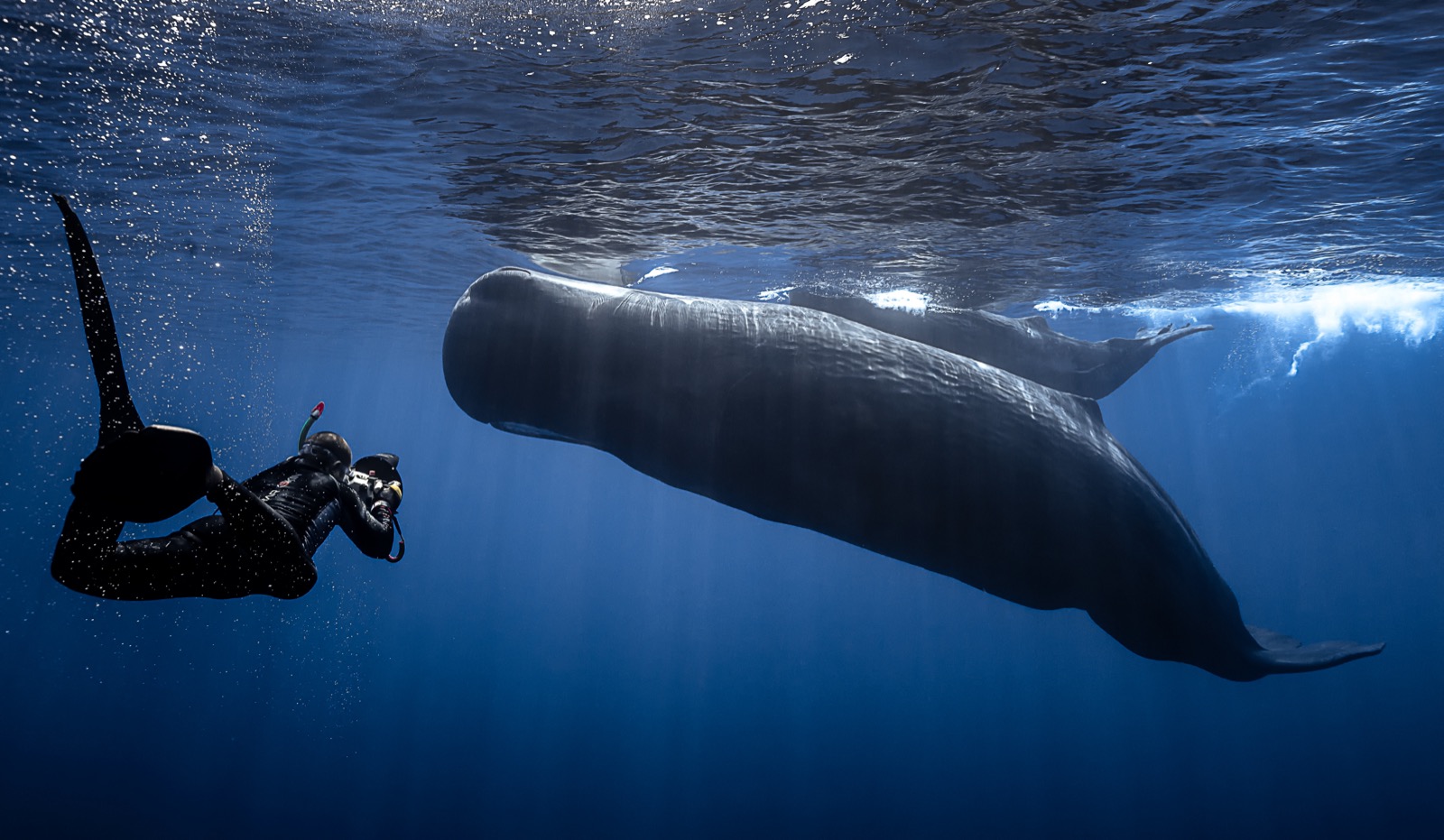
A resident population inhabits the deep water off the west coast — UNESCO has formally identified this as critically important sperm whale habitat. The largest toothed predator on earth, diving to 2,000m+ to hunt giant squid. Surface to breathe every hour or so. Often seen "logging" at the surface or displaying huge flukes when diving. Whale watching at close quarters.
July–October · Open ocean, occasional
Humpback Whales
Megaptera novaeangliae
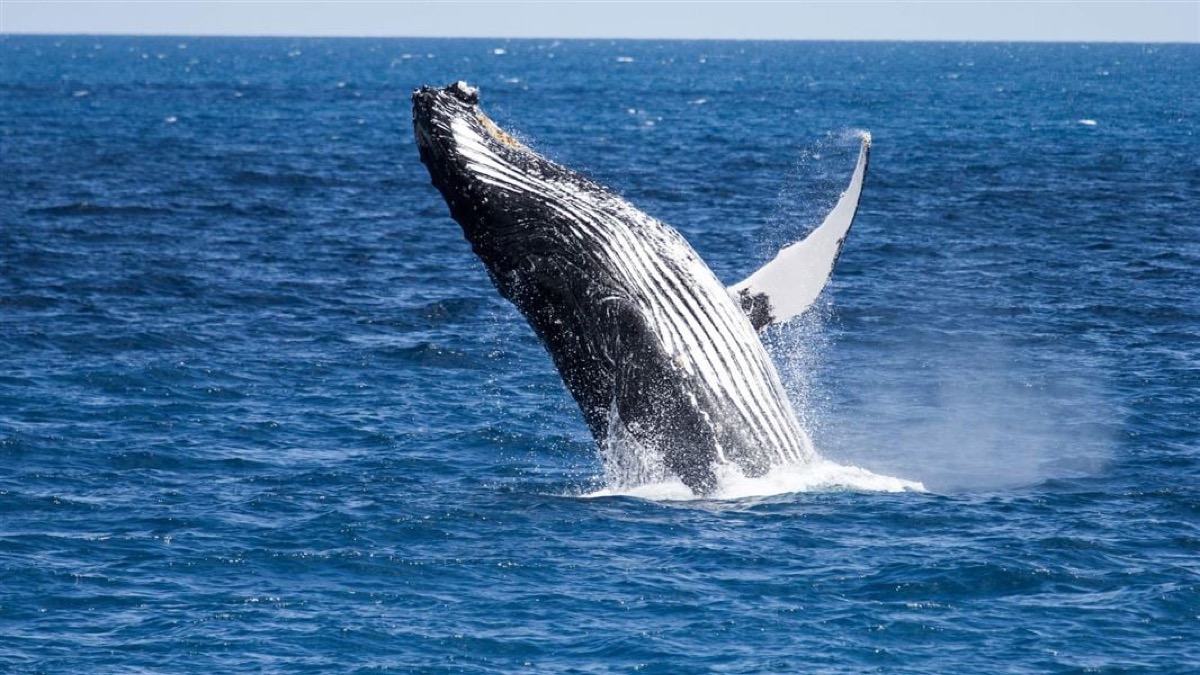
Seasonal migrants passing through on their annual journey between Antarctic feeding grounds and tropical breeding waters. Famous for spectacular breaching — leaping clear of the water. Sightings from whale-watching vessels in the July–October window. Less predictable than sperm whale encounters but unforgettable when they occur.
Occasional · Deep water
Bryde's Whales
Balaenoptera edeni
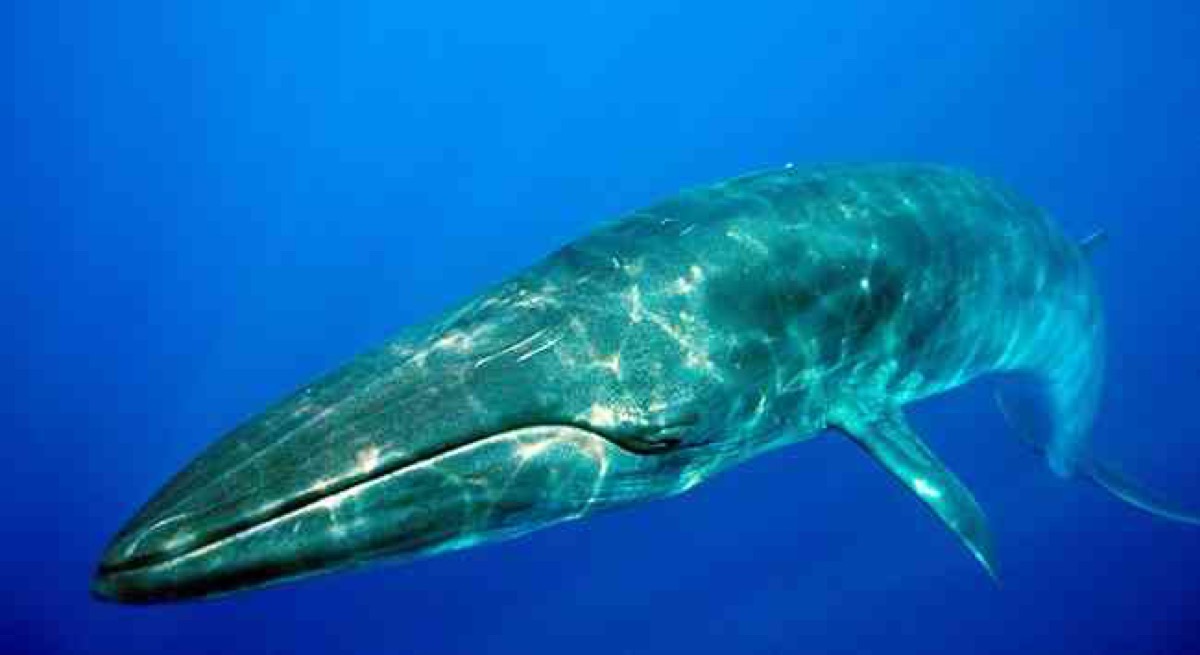
A medium-sized baleen whale (12–14m) occasionally sighted in Mauritian waters. Feeds on fish and krill, surfacing with a distinctive tall blow. Not reliably encountered and no dedicated trips target them. Occasional sightings from whale-watching boats operating for sperm whales.
UNESCO Protected Waters
The west coast — year-round sperm whale habitat
Sharks
Sharks of Mauritius
Sharks are a vital part of the reef ecosystem. Multiple species are present in Mauritian waters. Attacks are extremely rare — the risk is low but not zero, particularly at dawn or dusk, near river mouths after heavy rain, and outside the reef barrier.
The lagoon inside the reef is generally considered safe. Follow local beach flags and advice. The last fatal shark attack at a main beach was September 2013.
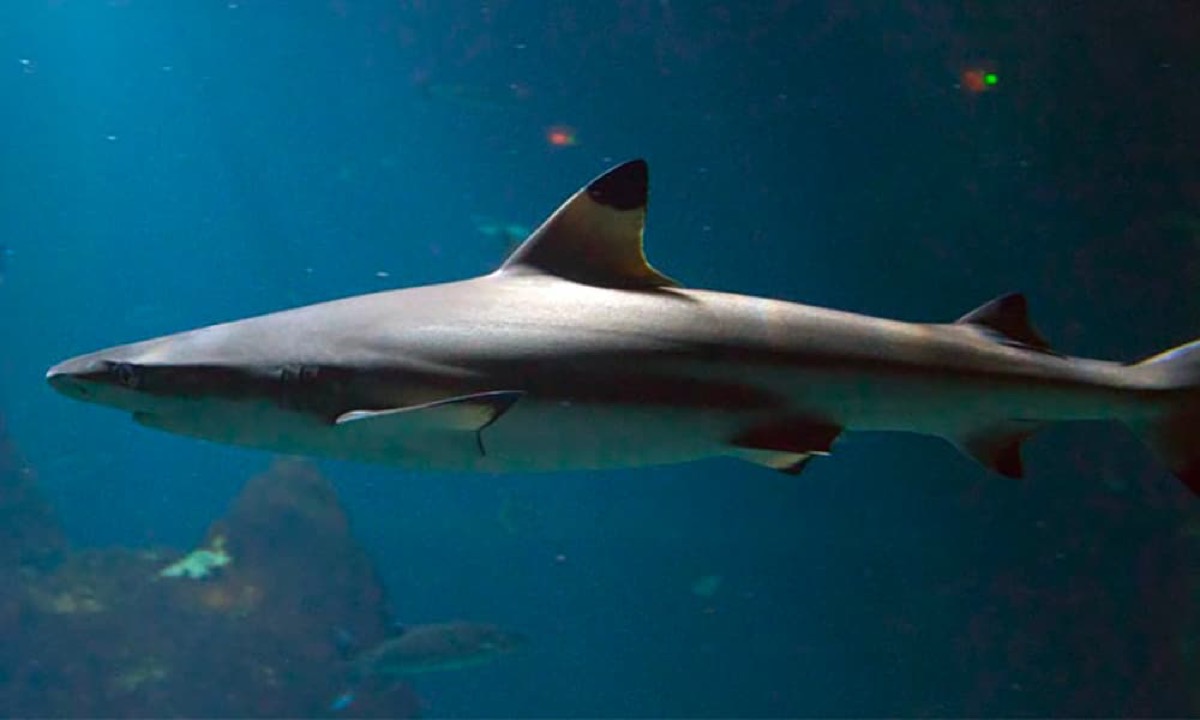 Very common
Blacktip Reef Shark
Carcharhinus melanopterus
Risk: Minimal — shy
The reef shark you are most likely to see — instantly recognisable by the black-tipped dorsal fin. Patrol the shallow reef edge, typically 1–3m long. Timid and will flee from divers and snorkellers. Completely harmless unless provoked or cornered. A wonderful encounter.
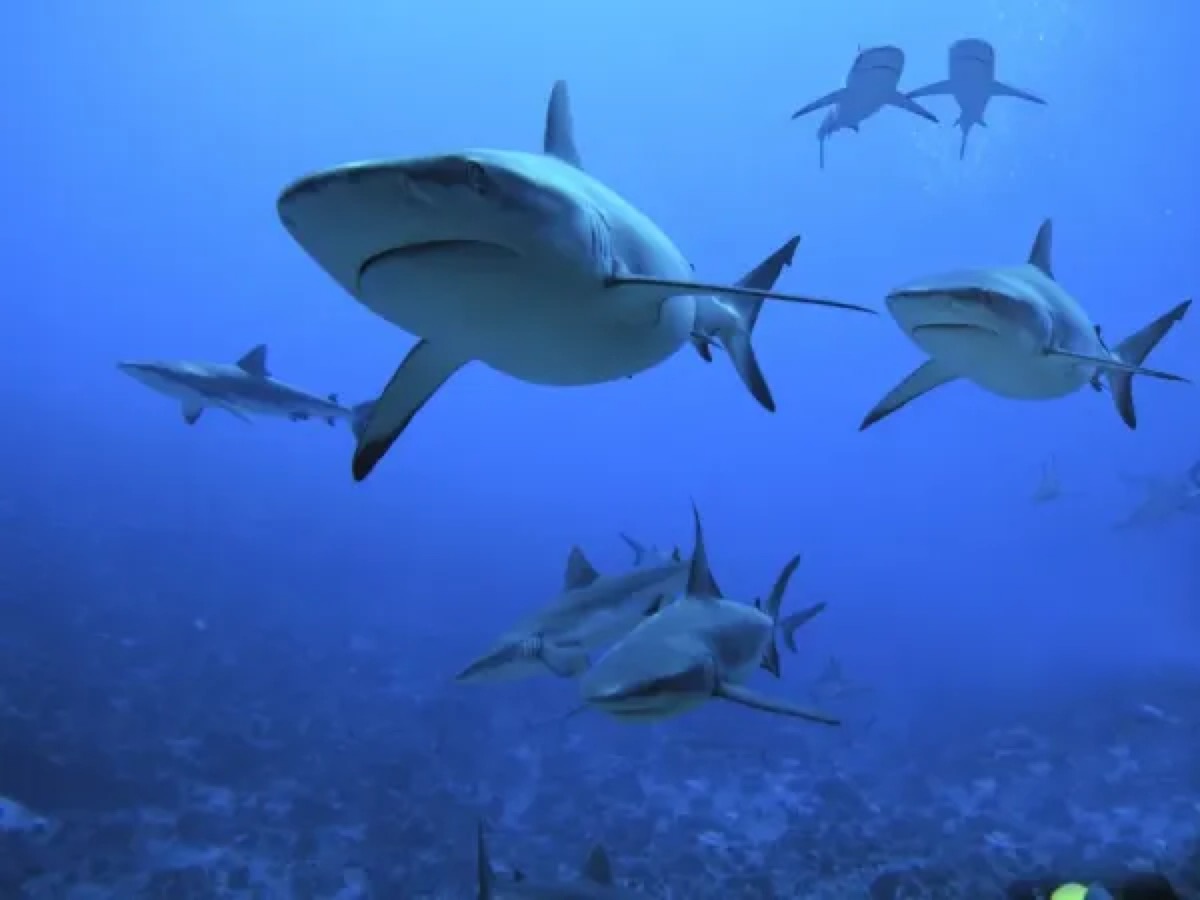 Common on outer reef
Grey Reef Shark
Carcharhinus amblyrhynchos
Risk: Low — respect space
Torpedo-shaped, 1.5–2m. Often seen cruising the outer reef in small groups. Bolder than blacktips. Will investigate divers but does not attack unprovoked. The apex predator of the reef ecosystem. Best seen at dive sites off Flic en Flac and the south-west.
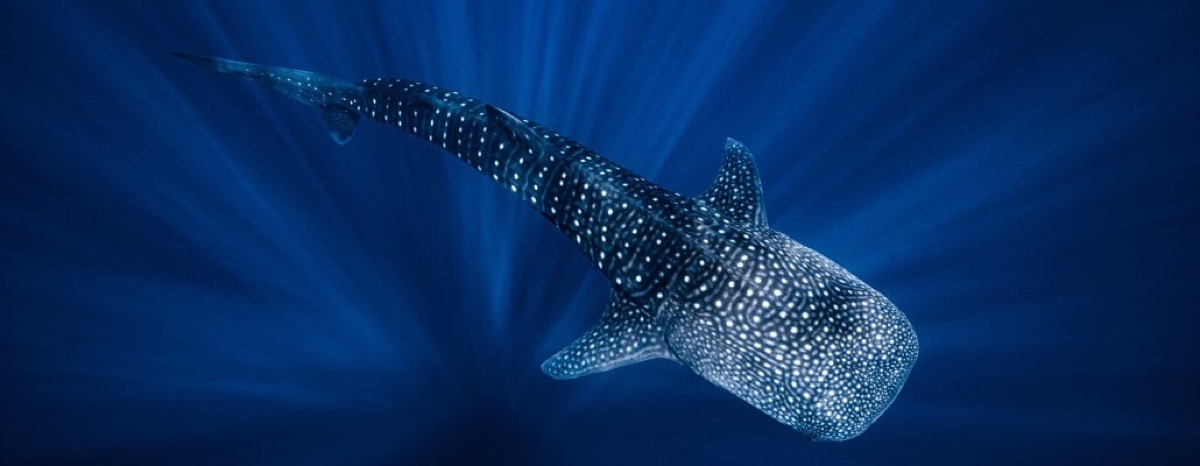 Occasional — special event
Whale Shark
Rhincodon typus
Risk: None — filter feeder
The world's largest fish — up to 12m. Feeds entirely on plankton. Completely harmless to humans. Occasional sightings offshore, especially around aggregations of fish spawn. Swimming with a whale shark is one of the great ocean experiences. Regulated encounters in Mauritius maintain respectful distance.
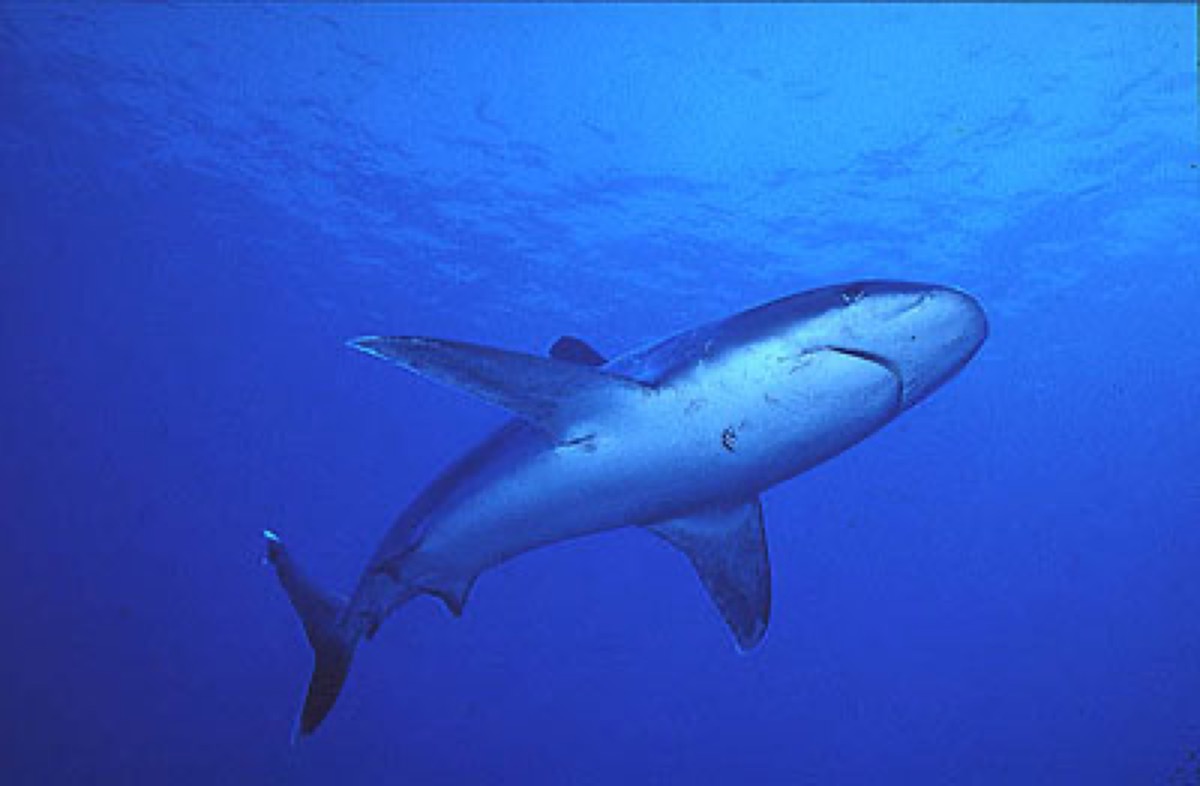 Rare inshore
Bull Shark
Carcharhinus leucas
Risk: Elevated — give wide berth
Stocky, aggressive, and the species involved in most coastal shark incidents worldwide. Enter fresh water — can travel up rivers. In Mauritius: greatest risk near river mouths after heavy rain, at dawn/dusk, near fishing boats. The 2013 fatal attack at Pointe aux Canonniers involved a bull shark. Risk is low but real in specific conditions.
 Rare — deep water
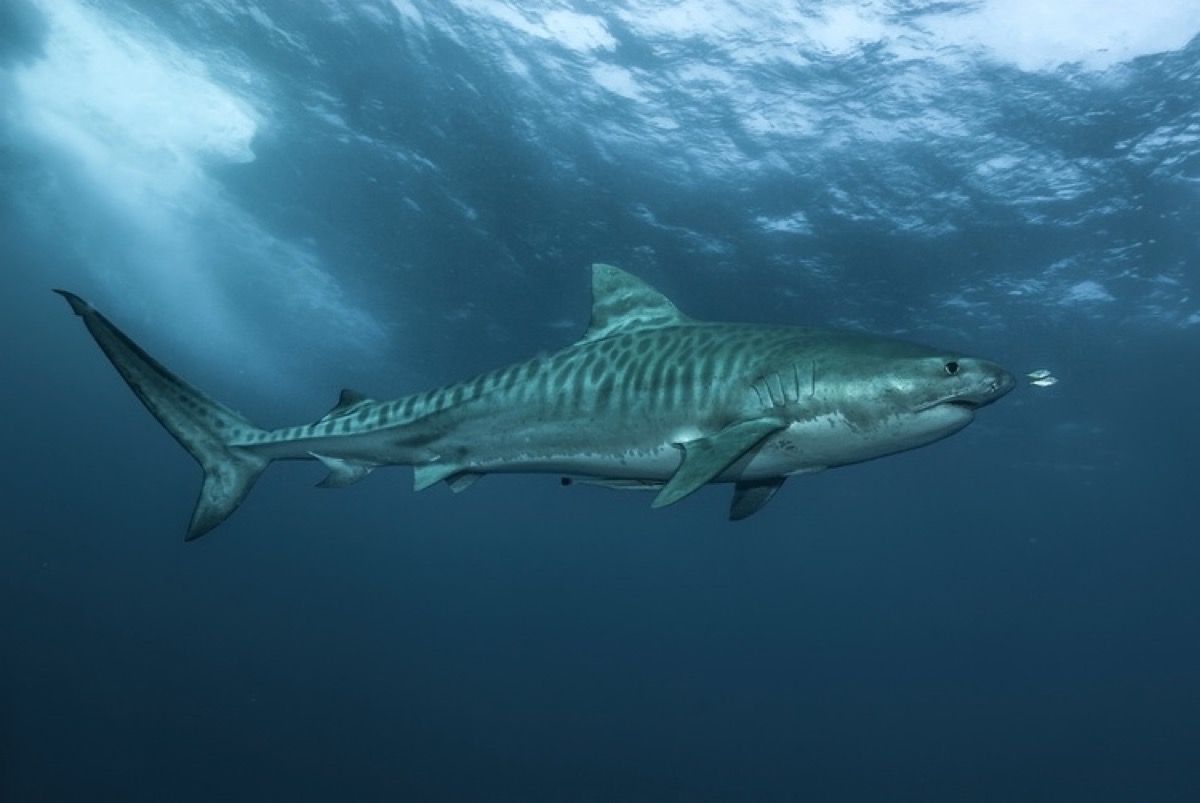
Tiger Shark
Galeocerdo cuvier
Risk: Treat with respect
Large, powerful, and curious. Usually in deep water beyond the reef. Occasional deep-water dive sightings. Tiger sharks are responsible for attacks worldwide but encounters in Mauritian waters are extremely rare. Stay outside the reef at depth if you want to encounter one — not recommended for recreational snorkellers.
Rays
Rays of Mauritius
Rays are a highlight of snorkelling and diving in Mauritius. Eagle rays gliding through the lagoon and manta rays at cleaning stations are encounters that stay with you.
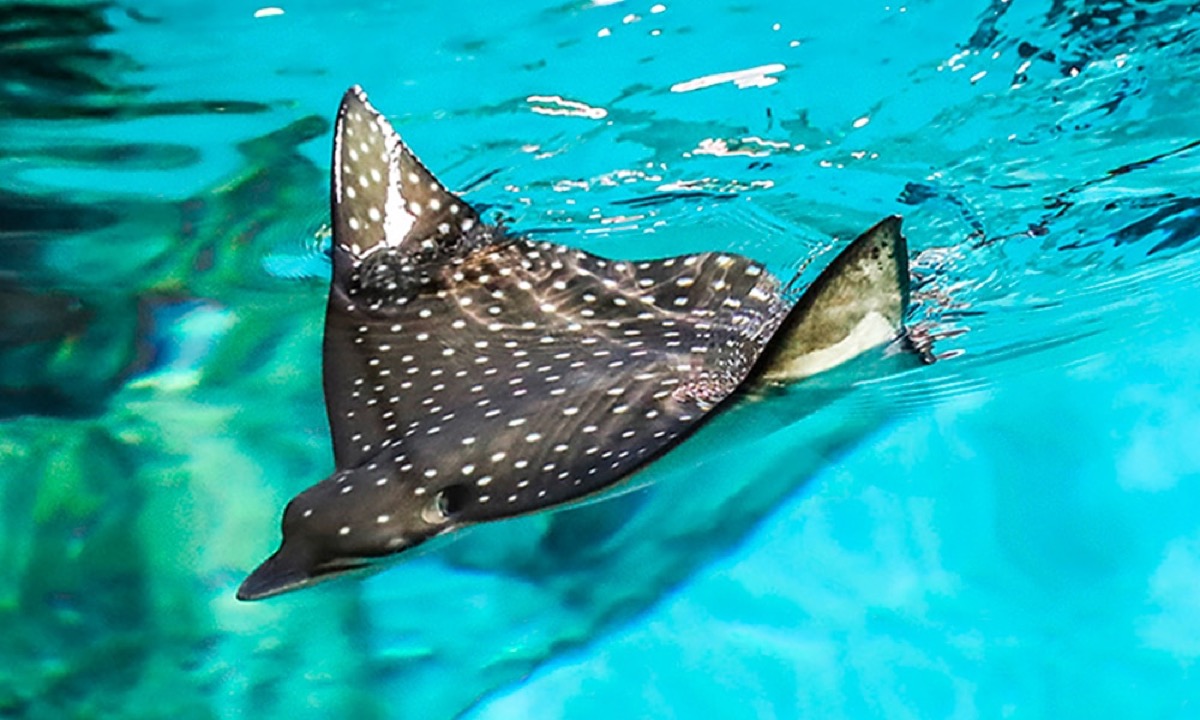
Eagle Ray
Aetobatus narinari
The most spectacular ray you will encounter. White-spotted dark back, long whip-like tail, wingspan up to 2m. "Flies" through the water column in slow, graceful wingbeats. Often seen in small groups gliding through the shallow lagoon. Completely harmless — will flee from approach.
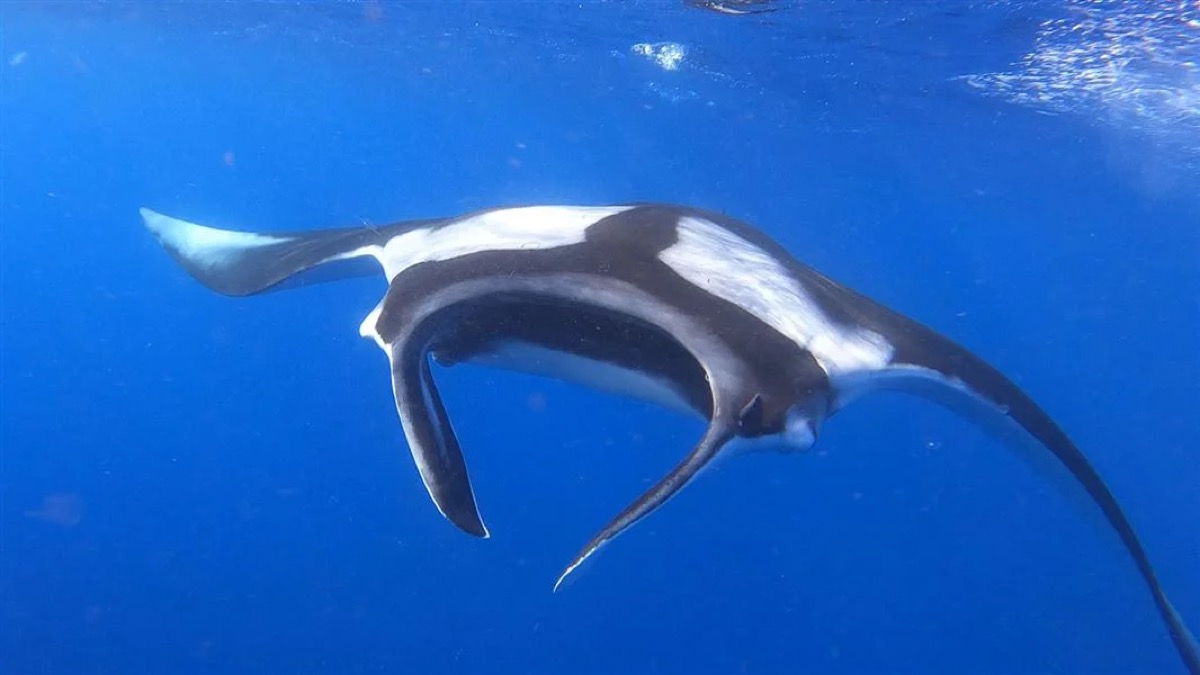
Manta Ray
Mobula alfredi
The ocean's gentle giant — wingspan up to 5.5m. Filter feeder, entirely harmless. Occasional sightings near outer reefs and dive sites, particularly around cleaning stations where small fish remove parasites from the ray's body. A manta encounter is a bucket-list ocean experience. Not reliably encountered from shore but found by good dive operators.
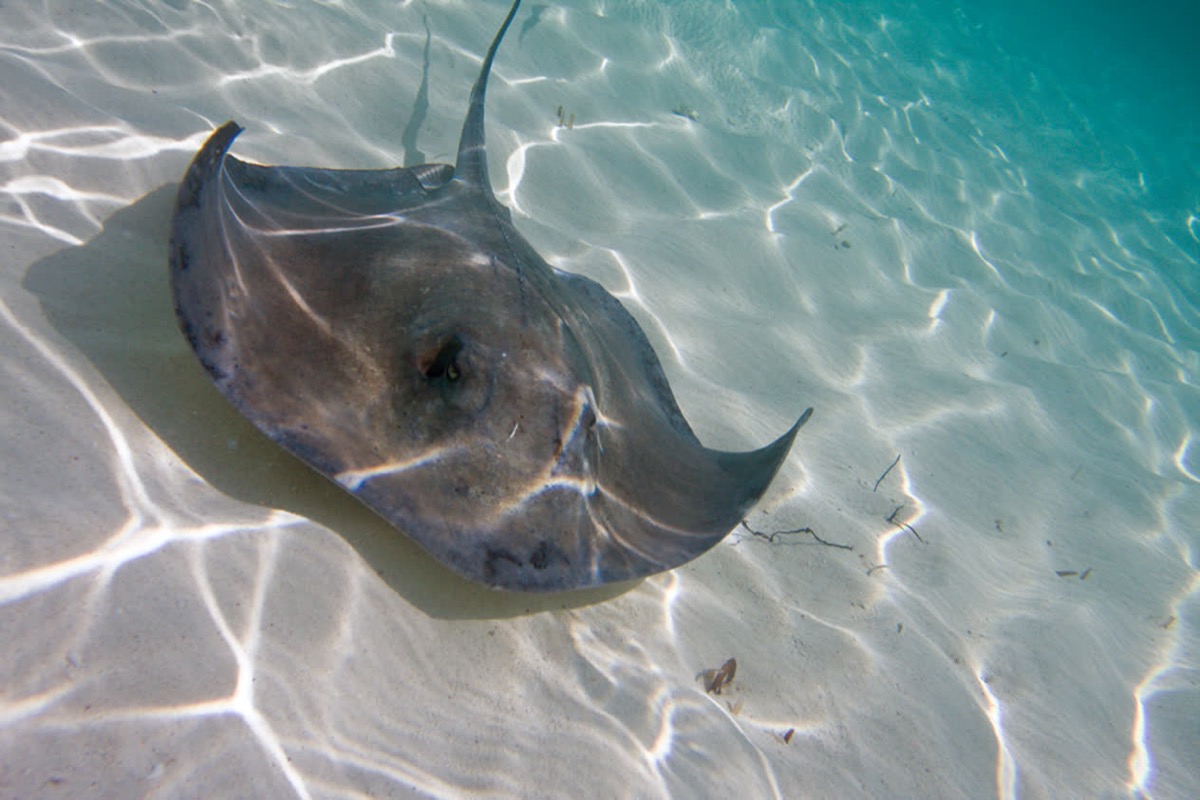
Stingray
Dasyatidae spp.
Common on sandy lagoon bottoms — often invisible, buried under a thin layer of sand. Harmless if not disturbed. The venomous tail spine is a pure defence mechanism, used when trodden on. When walking in shallow sandy areas, shuffle your feet rather than stepping to avoid treading directly on a buried ray. Often seen at feeding stations.
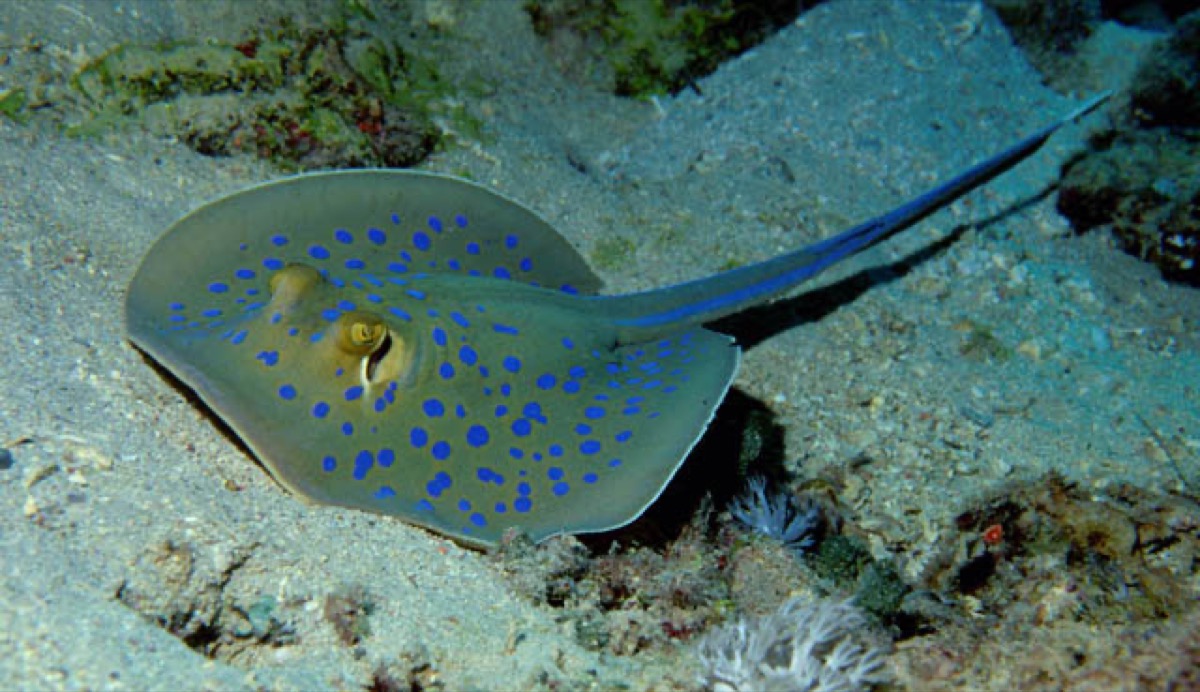
Blue-spotted Lagoon Ray
Neotrygon kuhlii
Smaller than the common stingray, identifiable by vivid electric-blue spots on a sandy-grey body. Very common in the shallow lagoon and on the reef edge. Often found resting near coral heads. Beautiful and photogenic — beloved by snorkellers. The same "shuffle your feet" precaution applies in areas where they rest.
Turtles
Sea Turtles
Both Green Turtles (Chelonia mydas) and Hawksbill Turtles (Eretmochelys imbricata) are found in Mauritian waters. Both are legally protected — Endangered and Critically Endangered respectively.
Sea turtles are sometimes seen while snorkelling in the lagoon — particularly around Blue Bay, Trou aux Biches, and Île aux Bénitiers. They are curious but move away from excessive human presence. Never attempt to touch, ride, chase, or approach closely. Harassment carries significant fines under Mauritian law.
Nesting occurs on offshore islands. If you encounter a turtle nesting on a beach at night, keep distance, extinguish lights, and do not photograph with flash.
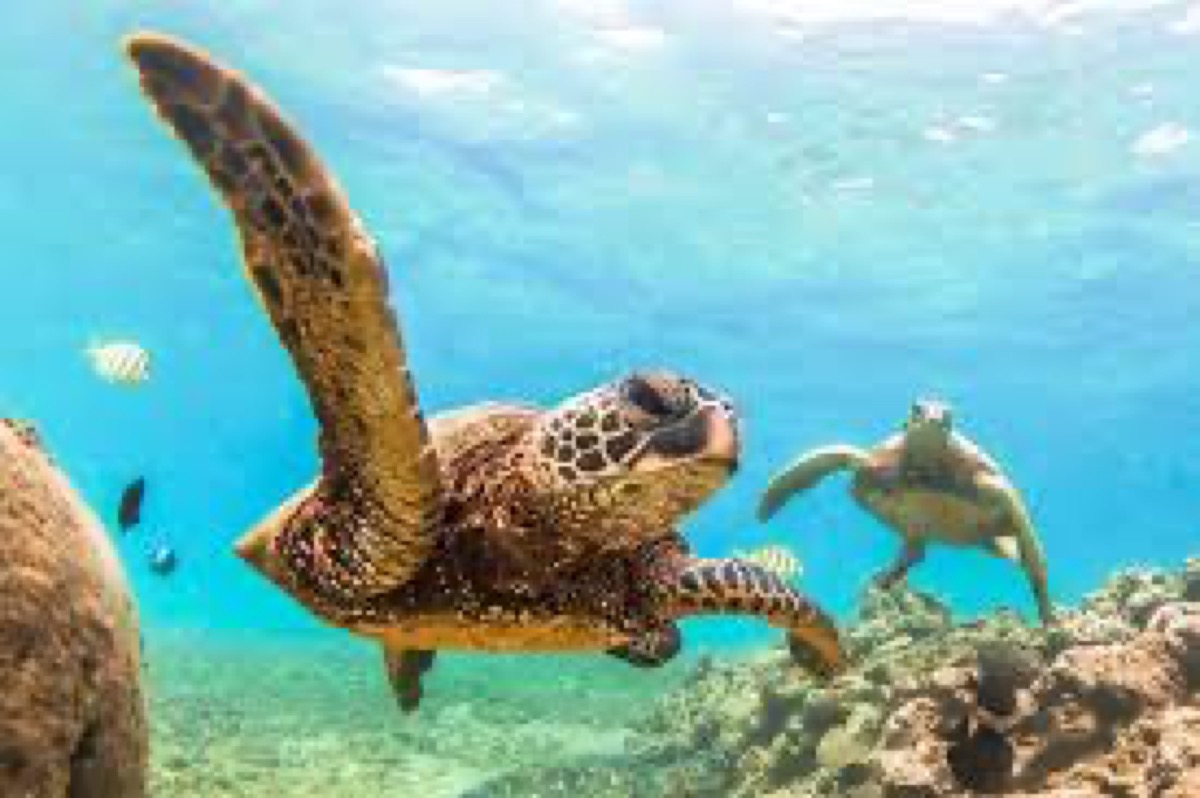
Green sea turtles are sometimes seen while snorkelling — observe from a respectful distance
Fishing
Big Game Fishing
Mauritius is one of the world's top big game fishing destinations. The deep waters of the Mascarene Plateau drop sharply just offshore — blue marlin, black marlin, sailfish, yellowfin tuna, wahoo, and dorado are all caught in Mauritian waters.
Marlin fishing is legendary here. The sea off the west coast has produced numerous world-record or near-record catches. Charter boats operate from Grand Baie, Rivière Noire, and Mahébourg. Trips typically run 6–8 hours. Most operators practice catch-and-release for marlin.
Blue Marlin
Oct–Apr, peak
Black Marlin
Year-round
Yellowfin Tuna
Year-round
Wahoo
Apr–Oct
Sailfish
Apr–Oct
Dorado
Year-round
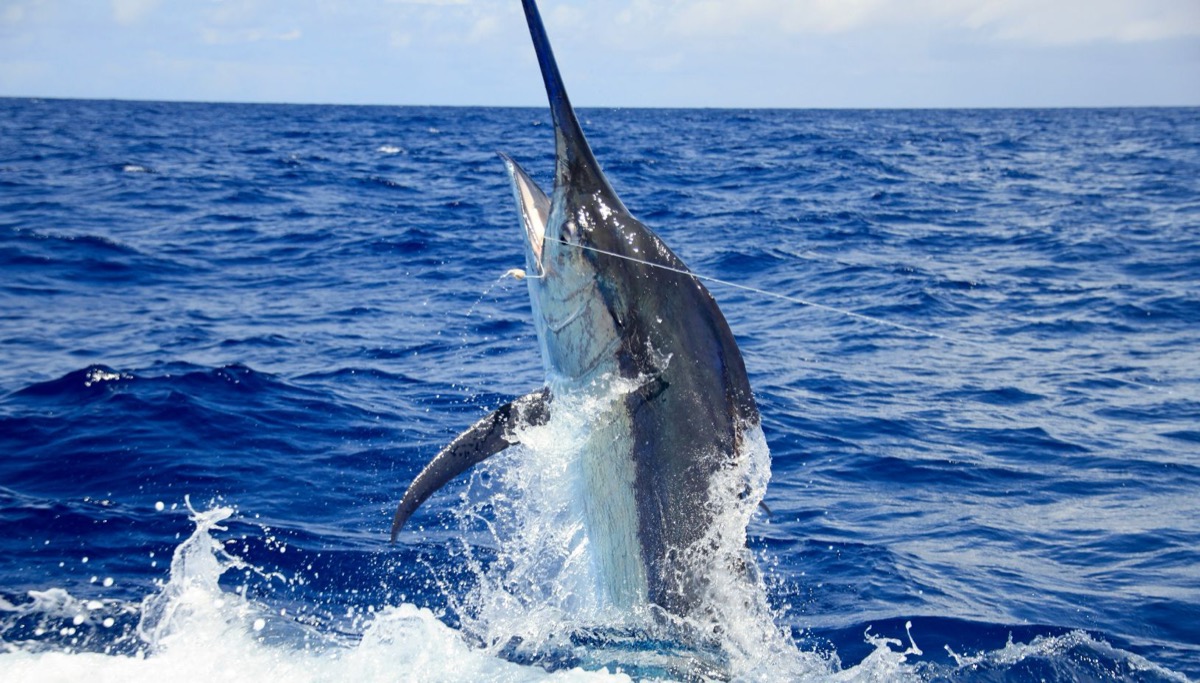
Charter fishing off the west coast — the deep water is minutes from shore
Other Fishing
Fly fishing — flat fishing for bonefish and trevally on the east coast flats and around offshore islands.
Bottom fishing — from boats or local fishing spots along the coast. Grouper, snapper, and emperors.
Shore fishing — a popular local pastime on the south and east coasts. Respect local fishing areas.
Snorkelling & Diving
Coral Reefs & Best Sites
Mauritius is almost entirely ringed by a fringing reef creating a protected lagoon. The best sites for snorkelling and diving are spread around all four coasts.
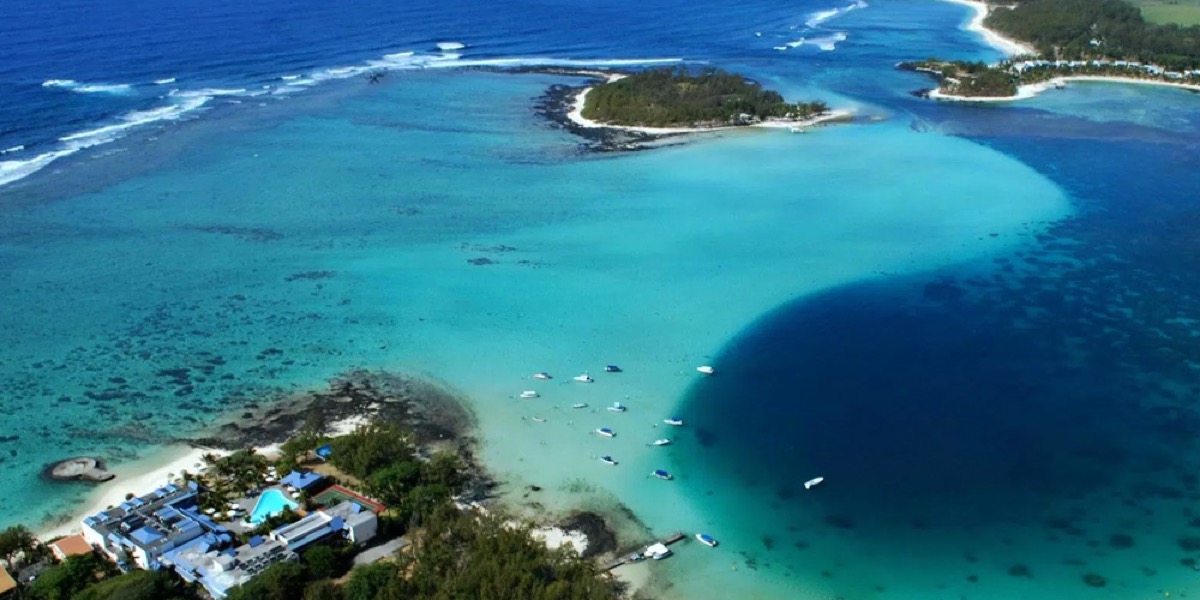 Best in Mauritius
South-east coast, near Mahebourg
Blue Bay Marine Park
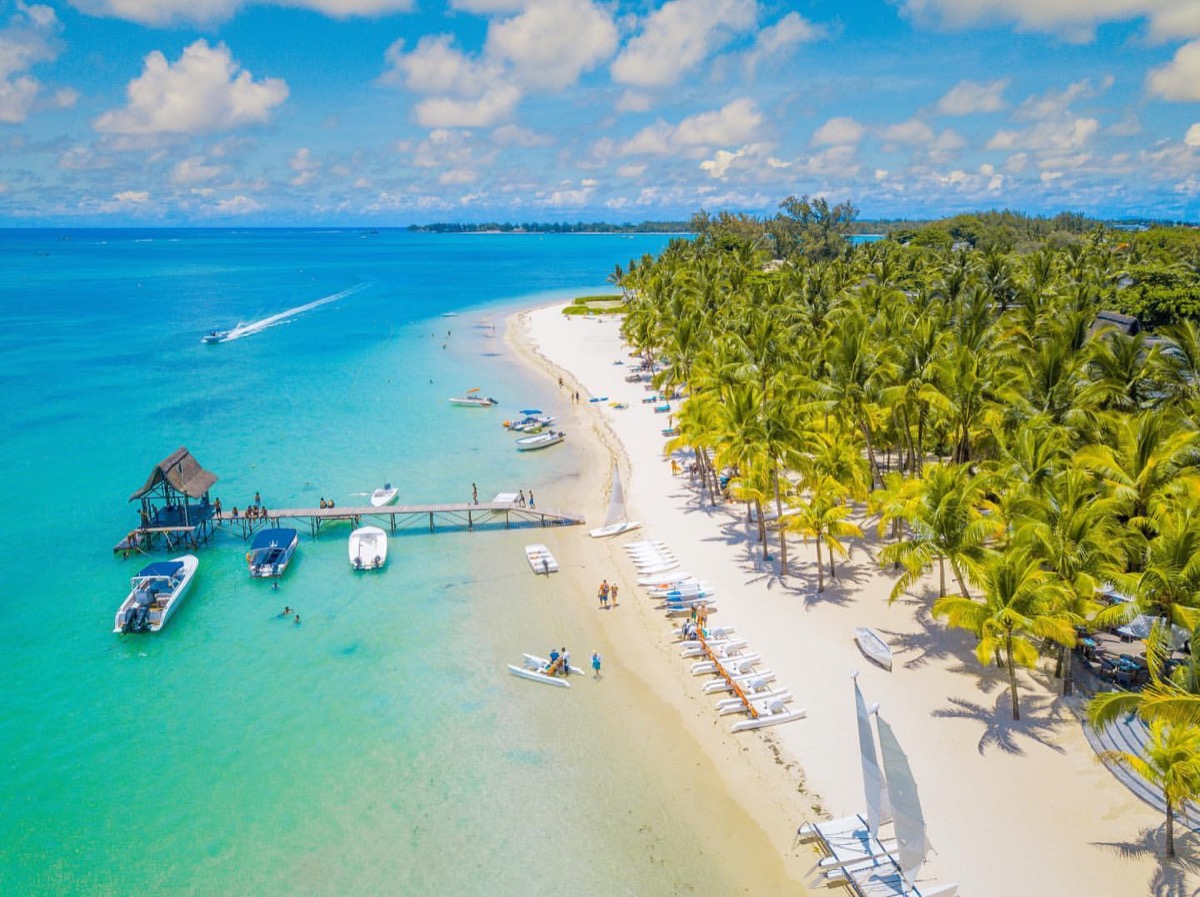
The finest snorkelling in Mauritius — and one of the finest in the Indian Ocean. A protected marine park with 38 species of coral and 72 species of reef fish. Shallow, crystal clear, and easily accessible from the beach. Staghorn corals, brain corals, parrotfish, sea turtles, and rays. Glass-bottom boat trips available. Arrive early to beat tour groups.
 Family-friendly
North coast
Trou aux Biches
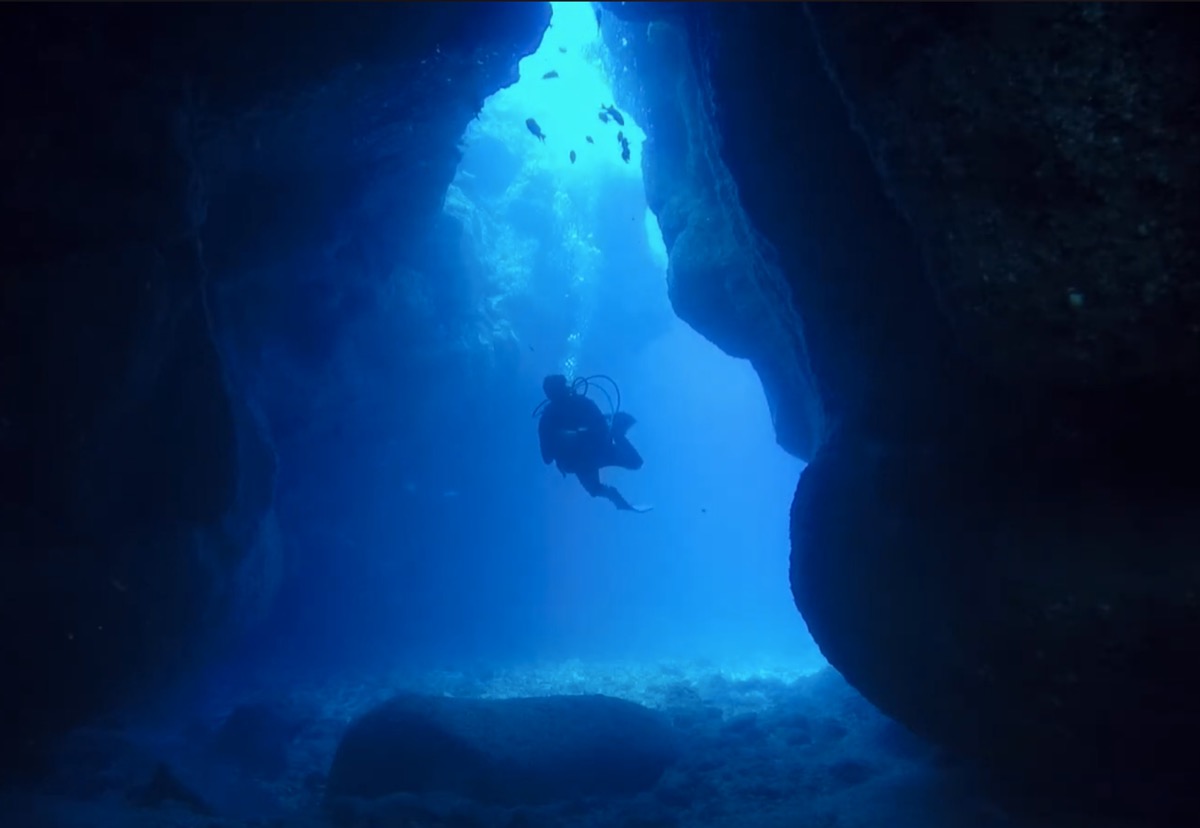
Calm, shallow lagoon with beautiful coral gardens accessible directly from the beach. Reef fish are abundant — butterflyfish, angelfish, parrotfish, and wrasses. Occasional sea turtle sightings. The beach itself is stunning. Easy snorkelling suitable for all levels, including families with children. Best in the morning before the wind picks up.
 Best diving
West coast
Flic en Flac — The Cathedral
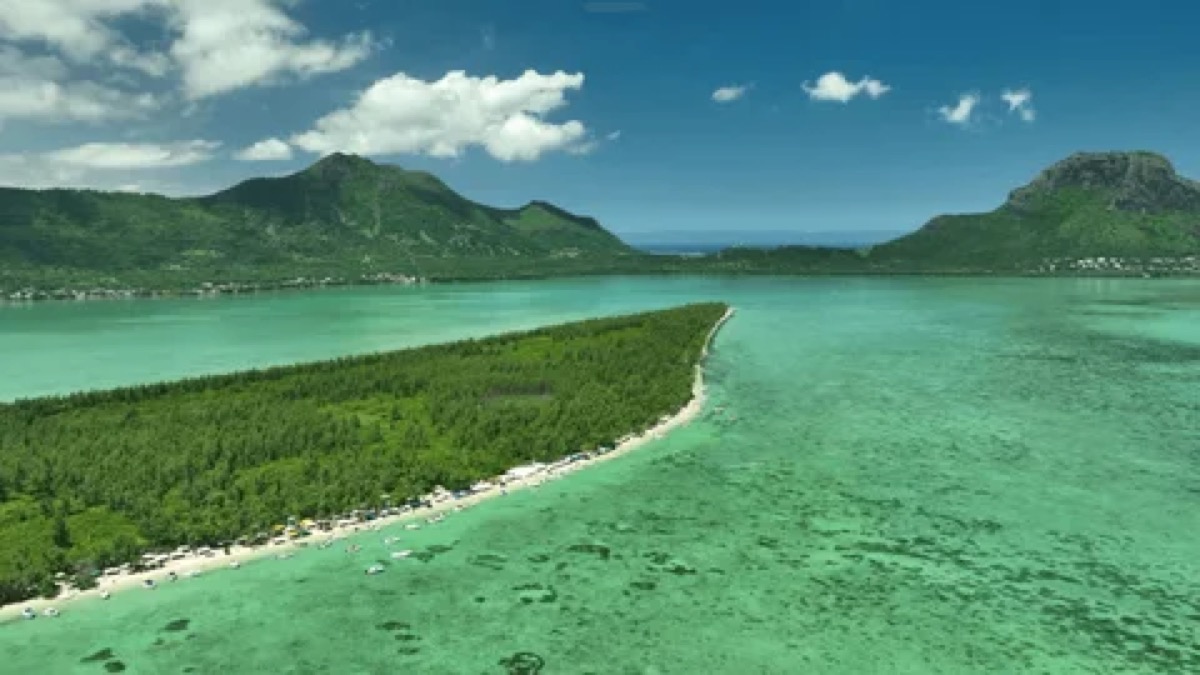
The best dive site in Mauritius — not for snorkelling, but for scuba. "The Cathedral" is a spectacular underwater cavern at 25m depth, home to large reef sharks, groupers, and moray eels. Accessible from shore with good visibility year-round. Also excellent shallower reef for snorkelling along the reef edge.
 Boat trip
West coast, off Tamarin
Île aux Bénitiers
A small island set in a beautiful west coast lagoon with good coral heads and healthy fish populations. Accessible by boat from La Gaulette and Tamarin — usually combined with spinner dolphin watching in the morning. Clear water and abundant marine life. Snorkelling off the island edges.
 Advanced
North — offshore island
Coin de Mire
An uninhabited volcanic island 9km north of Cap Malheureux. Rocky underwater terrain with exceptional fish populations, regular shark sightings, and occasional turtle encounters. The strong currents and more exposed position make this better for intermediate to experienced snorkellers and divers. Day trips by boat from Grand Baie.
 World-class diving
560km east of Mauritius
Rodrigues Island
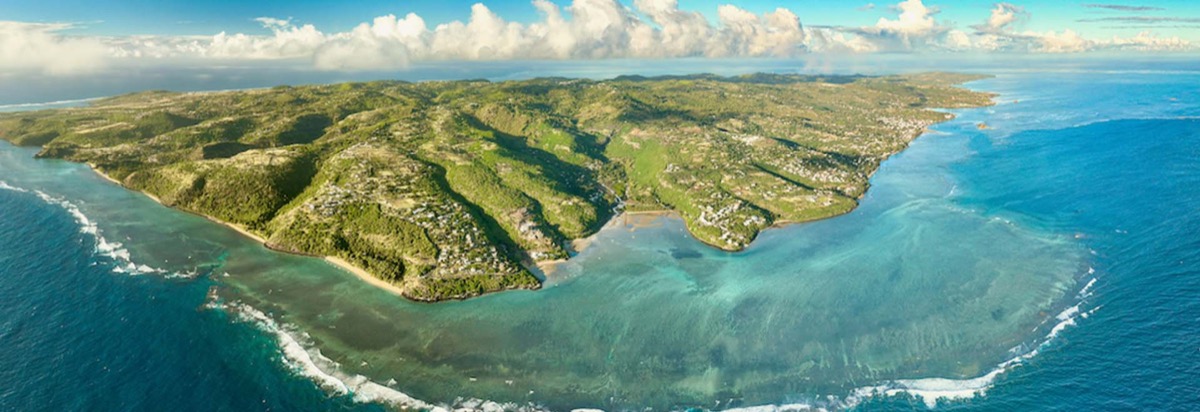
For serious divers: Rodrigues has some of the finest diving in the entire Indian Ocean. Remote, relatively undiscovered, with pristine reefs and exceptional visibility. Enormous lagoon, healthy shark populations, pristine coral, and world-class drift diving. Worth the short flight for a dedicated diving trip.
Important Safety Information
Dangerous Marine Species
The Mauritian reef is beautiful but contains species capable of causing serious injury. The golden rule: do not touch anything on the reef — not coral, not shells, not rocks, not fish. Look only. Wear reef shoes when walking on reef flats.
Stonefish
Synanceia verrucosa
The most venomous fish in the world. Camouflages perfectly as a rock or encrusted stone on the reef. Stepping on one causes immediate, excruciating pain and swelling. Can cause cardiac arrest if untreated. Treatment: immerse affected limb in water as hot as you can tolerate — heat denatures the protein toxins. Seek hospital immediately. Antivenom is available at all major hospitals. Prevention: always wear reef shoes when walking on or near reef.
Sea Urchins
Echinometra & Diadema spp.
Extremely common on rocky reef areas, especially at low tide. Long black spines break off in the skin when stepped on or touched. The spines are painful, can become infected, and are difficult to remove fully. Vinegar or lime juice applied to the area helps dissolve remaining spine fragments. Avoid by wearing reef shoes and looking before placing hands or feet on reef surfaces.
Cone Snails
Conus spp.
Beautiful banded or patterned shells found on the reef. Carry a venomous harpoon that can fire in any direction — including backward. Some species can deliver a fatal sting. There is no antivenom. Rule: never pick up a cone shell. Ever. If stung: apply pressure bandage, immobilise, seek emergency medical care immediately.
Lionfish / Scorpionfish
Pterois & Scorpaena spp.
Spectacularly beautiful with long venomous spines in the dorsal fin. Common on reefs, usually motionless and camouflaged. Never touch. Same hot water treatment as for stonefish. Scorpionfish (less dramatic-looking) are more commonly encountered — they blend into the reef perfectly.
Fire Coral
Millepora spp.
Looks like a coral formation (yellowish-brown branching or encrusting growth) but is a cnidarian that causes an intense burning sting on any skin contact. Very common on reefs. The simplest rule: do not touch any coral, ever. Even non-stinging coral is fragile and damaged by touch.
Blue-ringed Octopus
Hapalochlaena spp.
Small (golf ball-sized) octopus that displays vivid blue rings when threatened. One of the most venomous animals on earth. Found in rock pools and reef crevices. Venom causes rapid paralysis — there is no antivenom, treatment is prolonged artificial respiration. Never pick up small octopuses.
Jellyfish
Most jellyfish in Mauritius are small and cause only minor stings. Box jellyfish (potentially dangerous) are rare but can appear, especially after storms. Treatment: rinse with seawater — not fresh water. Vinegar neutralises some nematocysts. Remove tentacles carefully without touching with bare hands. Seek medical advice for significant stings.
Explore More