
Places to Visit in Mauritius for Couples: A Practical Guide to the Island's Best Destinations
Mauritius rewards couples who plan carefully. The island is compact enough to cover in a fortnight yet varied enough that two people can spend an entire trip disagreeing, pleasantly, about which coast they prefer. The east offers calm, reef-protected water and polished resorts. The south delivers drama: basalt cliffs, tea plantations, and roads that curve through sugarcane fields with no particular hurry. The north is social and accessible. The west catches the best sunsets. Every direction has a case to make.
The East Coast: Calm Water and Unhurried Days
Belle Mare and Trou d'Eau Douce are the east coast's anchor points, and for good reason. The lagoon here is shallow, clear, and protected by one of the longest stretches of reef on the island. Couples who want to spend mornings in the water and afternoons doing very little will find the east coast hard to fault.
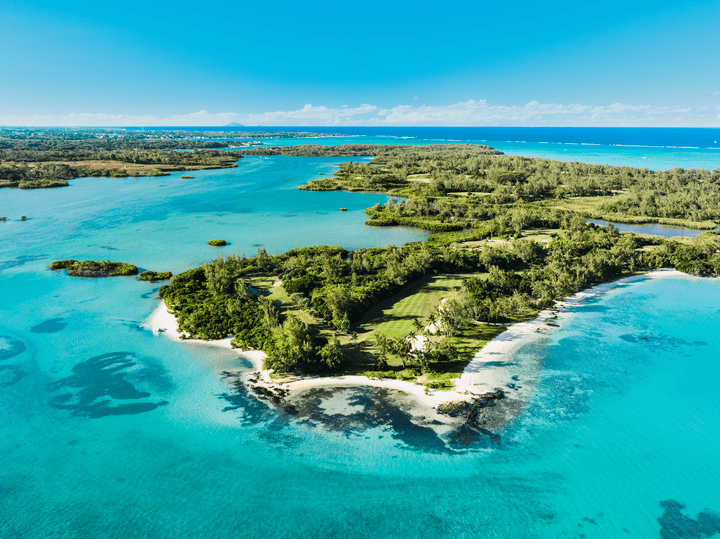
Île aux Cerfs sits just offshore from Trou d'Eau Douce and is worth a half-day. The boat crossing takes minutes, and the island offers white-sand beaches, water sports, and a golf course designed around the coastline. It is busiest at midday; arrive early or stay late to find quieter stretches of shore.
For dinner, the east coast's resort restaurants consistently outperform expectations. Booking a table directly on the beach, shoes off, feet in warm sand, is one of those experiences that justifies the flight.
The South: The Island's Wilder Side
The south is where Mauritius stops performing and starts being itself. The drive from Mahébourg through Souillac to Le Morne along the coastal road is one of the best half-days you can spend on the island. Stop at Gris Gris, where the Indian Ocean meets the coast without a reef to soften the impact, the spray and the noise are genuinely arresting.
Rochester Falls is an inland detour worth taking: a low, wide waterfall over geometric basalt columns, surrounded by sugarcane. It is not heavily visited, which is precisely the point.
The Black River Gorges National Park covers the island's forested interior and offers hiking trails that range from gentle to demanding. Couples who enjoy walking will find the Macchabée Ridge trail rewarding, views extend across the gorges to the west coast on clear days.
Le Morne Peninsula: The Island's Most Dramatic Landmark
Le Morne Brabant, a UNESCO World Heritage Site, rises sharply from the southwestern tip of the island. The mountain carries significant historical weight, it was a refuge for escaped enslaved people in the eighteenth and early nineteenth centuries, and the hike to its base is manageable for most fitness levels. The peninsula itself is flanked by a lagoon that is consistently rated among the best kitesurfing spots in the Indian Ocean, though couples who prefer watching to participating will find the spectacle entertaining enough.
Sunsets from Le Morne are among the island's best, and several hotels and restaurants in the area are designed around that fact.
The North: Port Louis, Grand Baie, and Easy Accessibility
Grand Baie is the island's most developed tourist hub and the right choice for couples who want variety close at hand, restaurants, boutiques, boat trips, and nightlife within walking distance. It lacks the seclusion of the east or south, but the tradeoff is convenience.
Port Louis, the capital, deserves at least one full day. The Caudan Waterfront is a well-designed harbour development with restaurants, galleries, and the excellent Blue Penny Museum, which houses two of the world's most valuable stamps alongside a thoughtful account of Mauritian history. The Central Market is worth an hour for the colour and the produce, even if you are not buying.
Practical Matters for Couples Considering a Longer Stay
Some couples who visit Mauritius begin to consider whether a longer stay, or a permanent move, might be feasible. The island has a functioning framework for foreign residents, including the Premium Visa for remote workers and the Occupation Permit for those taking up employment.
Job Opportunities in Mauritius
Job opportunities in Mauritius are concentrated in financial services, tourism and hospitality, ICT, and business process outsourcing. The island has positioned itself as a regional hub for African and Indian Ocean business, and career opportunities in Mauritius for qualified professionals in these sectors are genuine rather than theoretical. Several international firms maintain regional headquarters in Ebène, the purpose-built business district south of Port Louis. For those searching for jobs in Mauritius, the Mauritius Board of Investment and local recruitment platforms list current vacancies, and the government's job.mu portal aggregates listings across sectors.
Mauritius job opportunities are most accessible to professionals with qualifications in finance, law, engineering, and technology, though the hospitality sector also recruits internationally for management roles.
Banking in Mauritius
For couples relocating or spending extended periods on the island, banking infrastructure is solid. Mauritius Commercial Bank (MCB) is the island's largest bank and offers a comprehensive internet banking platform. MCB internet banking allows account holders to manage transfers, pay bills, and access statements online, functionality that meets the expectations of internationally mobile clients. Internet banking in Mauritius more broadly is well-developed, with most major banks offering mobile apps alongside web platforms. MCB's digital services are available to both resident and non-resident account holders, making the transition to island life administratively straightforward.
Where to Stay: Matching the Resort to the Couple
The east coast suits couples who prioritise calm water, privacy, and resort amenities. The west, particularly Flic en Flac and the stretch toward Le Morne, is better for those who want sunsets and a livelier beach scene. The south is for couples who are comfortable with longer drives and prefer atmosphere over convenience.
Boutique properties in the highlands around Chamarel offer a genuinely different experience: cooler temperatures, forest views, and proximity to the Seven Coloured Earths, a geological formation of volcanic ash in distinct bands of colour that is one of the island's most photographed sights.
Getting the Most from a Couples' Trip to Mauritius
Rent a car for at least part of the trip. The island is small enough that self-driving is straightforward, and the freedom to stop at a roadside stall for fresh sugarcane juice or pull over at an unmarked viewpoint changes the quality of the experience entirely. Public transport exists but is slow; taxis are reliable but add up.
Book at least one boat excursion, the catamaran trips that leave from Grand Baie or Trou d'Eau Douce typically include snorkelling stops, a beach barbecue, and the kind of afternoon that is difficult to replicate on land.
And allow for at least one day with no plan at all. The east coast lagoon is the quietest argument for staying longer than you planned, reef-protected, impossibly clear, and lined with resorts that have quietly set the standard for Indian Ocean hospitality. The south is different: wilder, less visited, and worth every kilometre of the drive. Between the two lies most of what makes Mauritius hard to leave.