
Dolphin Trip Mauritius: An Honest Guide to the Experience
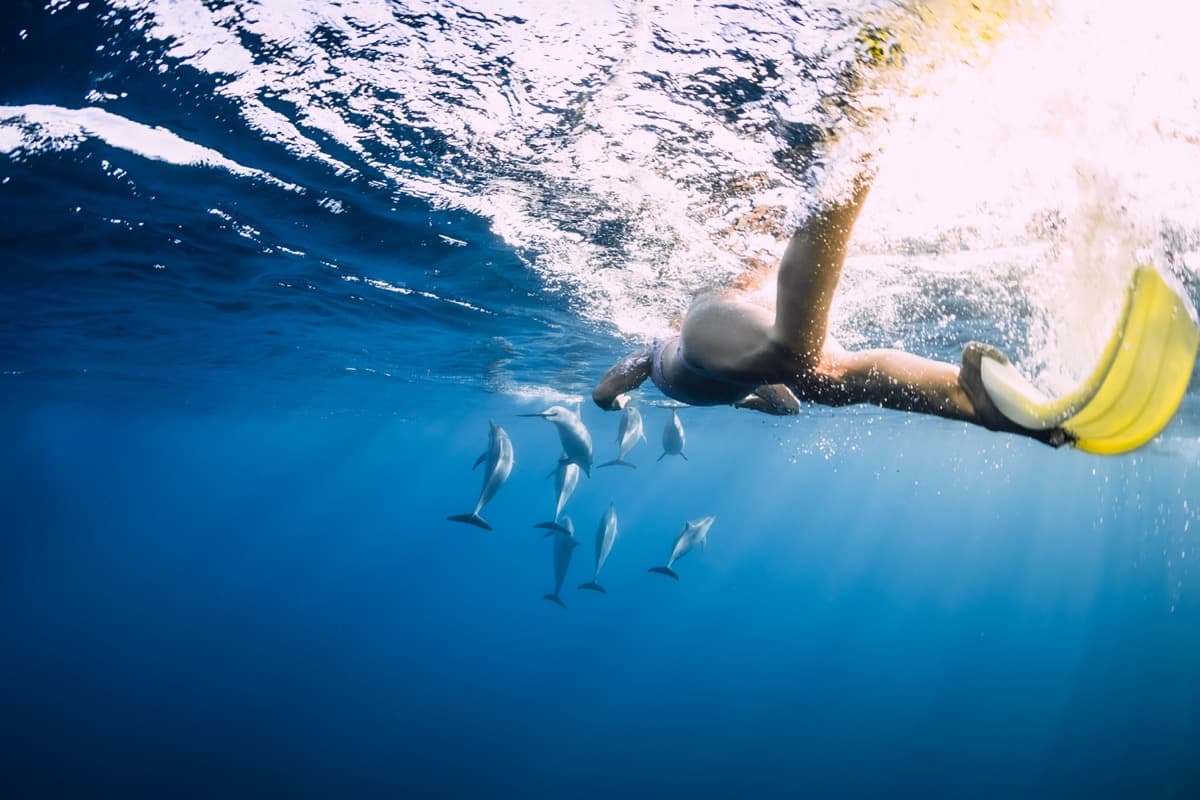
A dolphin trip in Mauritius means heading out before sunrise on the southwest coast, usually from Tamarin or La Preneuse, to swim alongside spinner and bottlenose dolphins in open water. The experience is genuine, these are wild animals following their own patterns, and that's precisely what makes it worth doing. This guide covers where to go, when to go, how to book, and what the trip actually looks like from the moment you leave the jetty.
Where Do Dolphin Trips Depart in Mauritius?
The southwest coast is the primary departure point for dolphin trips in Mauritius. Tamarin Bay and the surrounding stretch of coastline between Black River and Le Morne is where spinner dolphins (Stenella longirostris) and bottlenose dolphins (Tursiops truncatus) are consistently sighted in the early morning hours.
Spinner dolphins rest in the shallow, calm waters of Tamarin Bay overnight and move offshore as the sun rises. Operators launch their boats, typically open fibreglass vessels or small catamarans, from Black River or Tamarin between 6:00 and 7:30 am to intercept the pods before they head out to sea.
The east coast sees occasional dolphin sightings, but the southwest remains the most reliable corridor.
What to Expect on a Dolphin Trip
Most trips run between two and three hours. Once the boat locates a pod, snorkellers enter the water and swim alongside the dolphins, or attempt to. Spinner dolphins move fast and are not obligated to slow down. The interaction is on their terms, which is as it should be.
A typical morning might involve:
- 30–45 minutes motoring out from the departure point
- 60–90 minutes in the water near one or more pods
- A return journey that sometimes includes a stop at a sandbank or snorkel site
Bring your own motion sickness medication if you're susceptible. The open water southwest of Mauritius has a noticeable swell, particularly between May and September.
What to Bring
- Reef-safe sunscreen (many operators now require it)
- A rash vest or wetsuit top for UV protection
- Waterproof camera or GoPro with a floatation mount
- Water and a light snack, most trips don't provide food
- A towel and dry bag for your belongings
Is It Ethical to Swim with Dolphins in Mauritius?
This is the right question to ask. Mauritius has faced scrutiny over dolphin tourism practices, and some operators have historically pursued pods aggressively, causing stress to the animals.
Responsible operators follow guidelines set by the Mauritius Fisheries Division, which include limiting the number of boats around a pod, prohibiting entry into the water when dolphins are feeding or caring for calves, and maintaining a respectful distance before swimmers enter.
When booking, ask the operator directly:
- How many boats will be on the water at the same time?
- Do they withdraw if the pod shows signs of stress?
- Are they licensed by the Mauritius Fisheries Division?
Operators who answer these questions clearly and confidently are generally the ones worth booking with.
Best Time of Year for a Dolphin Trip in Mauritius
Dolphin sightings in the southwest are possible year-round, but the calmest sea conditions occur between October and April. This is Mauritius's summer, with lighter winds and flatter water that makes for easier swimming and better visibility.
The winter months (June to August) bring stronger southeast trade winds, which can make the crossing rougher and reduce visibility underwater. Trips still run, but the experience is more demanding.
Early morning departures are non-negotiable regardless of season, the dolphins move offshore by mid-morning.
How Much Does a Dolphin Trip in Mauritius Cost?
Prices vary by operator and group size, but a shared boat dolphin trip in Mauritius typically costs between MUR 1,200 and MUR 2,500 per person (approximately USD 25–55). Private charters run significantly higher.
Some resorts on the west coast include dolphin trips as part of a water sports package. If you're staying in the Le Morne or Flic en Flac area, it's worth checking with your hotel activities desk before booking independently, the price is often comparable and the logistics simpler.
Combining a Dolphin Trip with a Longer Stay in Mauritius
A dolphin trip is a morning activity that leaves the rest of the day free. The southwest of Mauritius has enough to fill several days: the Black River Gorges National Park for hiking, the Chamarel Coloured Earths, the village of Chamarel itself for rum distillery visits, and the Le Morne peninsula for kitesurfing.
For visitors staying longer, or for those considering Mauritius not just as a destination but as a place to build a life, the island offers a different kind of depth. Mauritius has developed a reputation as a practical base for internationally mobile professionals and families, partly because of its stable infrastructure, English and French-speaking environment, and accessible financial services.
Mauritius Commercial Bank (MCB), one of the island's largest financial institutions, offers internet banking in Mauritius that allows residents and business account holders to manage transactions, transfers, and payments online. Internet banking through MCB Mauritius is widely used by both locals and the growing expatriate community, and the platform supports multi-currency accounts relevant to those with international income.
Job Opportunities in Mauritius for International Professionals
For those drawn to the island beyond a single trip, the question of career opportunities in Mauritius is a practical one. The island's economy has diversified significantly over the past two decades, from its historical base in sugar and textiles into financial services, ICT, tourism management, and the blue economy.
Jobs in Mauritius for international candidates are most commonly found in:
- Financial services and fintech, Mauritius is a recognised African and Indian Ocean financial hub
- ICT and software development, the Ebène Cybercity corridor hosts regional offices for global firms
- Tourism and hospitality management, the sector employs a significant proportion of the workforce
- Education, international schools serving the expatriate community recruit regularly
The Mauritius government's Occupation Permit system allows professionals, investors, and self-employed individuals to live and work on the island under a combined residence and work permit. Job opportunities in Mauritius are listed through the National Employment Department (NED) and through regional job platforms covering the Indian Ocean.
For those researching mauritius job opportunities, the combination of a competitive tax environment (a progressive income tax rate from 0% to 35%), reliable internet infrastructure, and the quality of daily life, including access to activities like a dolphin trip in Mauritius on a Tuesday morning, makes the island a serious option rather than a romantic one.
Practical Notes Before You Book
- Book 24–48 hours in advance during peak season (July–August and December–January)
- Confirm the departure point, some operators list Black River, others list Tamarin; they are different jetties
- Check the weather forecast, operators will cancel in rough conditions and should offer a full refund or reschedule
- Arrive early, boats leave on time and the dolphins don't wait
A dolphin trip in Mauritius is one of those experiences that works best when you approach it with low expectations and genuine curiosity. The dolphins may ignore you entirely. They may swim directly beneath you for twenty minutes. Either way, you'll be in clear Indian Ocean water before most of the island has had breakfast.