
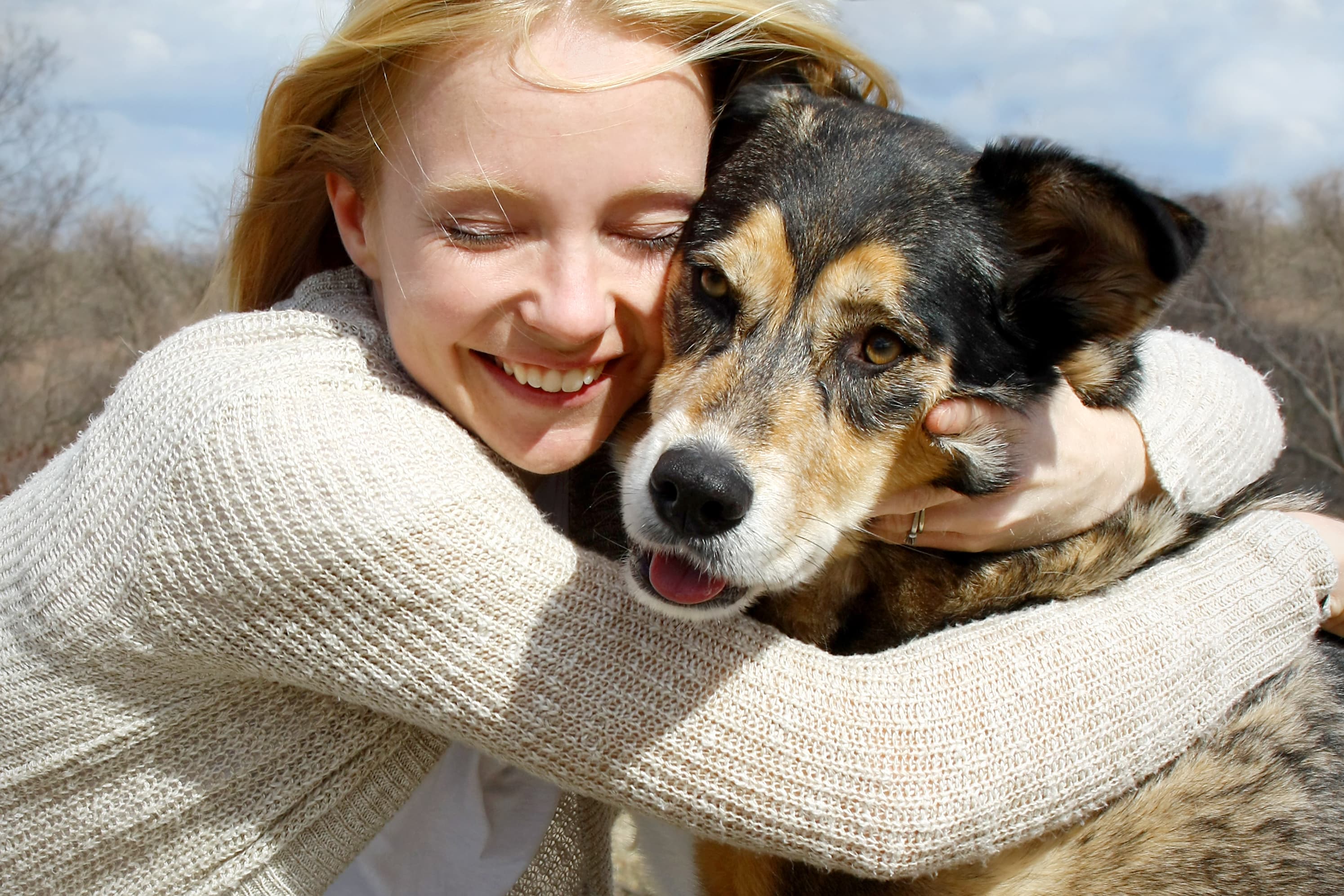
Relocating to Mauritius with a cat or dog is entirely possible, but it requires careful planning, a specific set of documents, and more lead time than most people expect. The process is governed by the Veterinary Service of the Ministry of Agro-Industry, and getting it right means starting at least three to six months before your intended travel date. Here is what Mauritius Life has put together so you arrive prepared, not scrambling.
Can You Bring Any Pet to Mauritius?
Cats and dogs are the two species routinely accepted for import. Other animals, reptiles, birds, exotic mammals, require a separate special authorisation and are subject to considerably more scrutiny.
Within the dog category, certain breeds are prohibited outright. Pit Bulls, Mastiffs, Dobermans, and other breeds classified as dangerous under Mauritian law are not permitted entry. If your dog falls into one of these categories, you will need to resolve that before making any other plans.
One rule that changed after Covid-19 and remains in force: pets can no longer travel in the cabin or in the hold of a passenger aircraft. They must travel as cargo, on a dedicated cargo flight. This is a firm requirement, not a guideline, and it affects how you book, what carrier you use, and what your timeline looks like.
What Documents Do You Need?
The import permit is the cornerstone of the whole process. It is issued by the Veterinary Department of the Ministry of Agro-Industry, and your application must include:
- The completed official application form, available on the Ministry's website
- A cover letter explaining your relocation
- Your Mauritius residence permit, you must already hold this before applying
- A sterilisation certificate, this is compulsory, not optional
- An up-to-date vaccination record
Once your application is approved, the Ministry will confirm the specific vaccinations and health tests required for your animal, along with the precise import procedures. Requirements can vary depending on your country of departure, so do not assume the checklist is identical for everyone.
Key contact: Veterinary Service of the Ministry of Agriculture, +230 454 1016 or moa-dvs@mail.govmu.org
How Long Is the Quarantine Period?
All incoming pets are placed in quarantine on arrival. The duration runs from five days to one month, determined by the country you are travelling from. The cost of quarantine is borne by the owner, budget for this separately, as it is not a negligible expense.
Quarantine facilities are managed by the authorities, and you will not be able to take your animal home until the period is complete and clearance is given.
Should You Use a Pet Relocation Specialist?
Given the number of moving parts, cargo-only travel, permit timelines, quarantine logistics, breed verification, working with a specialist relocation company is worth serious consideration. These firms handle the paperwork, coordinate with airlines that carry cargo, and know the Mauritian system well enough to anticipate delays before they become problems. For anyone relocating from Europe, South Africa, or further afield, the complexity justifies the cost.
Settling In: The First Weeks After Quarantine
Once quarantine is done, the adjustment period begins, for your pet as much as for you.
Book a Post-Quarantine Vet Check
The first thing worth doing after collecting your animal is scheduling a general health check with a local vet. The journey, the cargo hold, and the quarantine environment all create stress. A check-up confirms everything went smoothly, introduces your pet to their new vet, and gives you local advice specific to the Mauritian climate.
Keep Their Routine Intact
Animals manage relocation stress better when their diet and daily rhythms stay consistent. Familiar food brands are available on the island, both through pet shops and online, so there is no need to transition to a new diet at the same time as a new country. Keep meal times, exercise patterns, and sleep arrangements as close to normal as you can manage in the first weeks.
Adjust for the Tropical Climate
Mauritius is warm and humid year-round, and that changes what your pet needs. Walk dogs in the early morning or after sunset to avoid the heat of the day. Hydration matters more than it did in a temperate climate. Parasites, ticks, fleas, and mosquitoes, are active throughout the year, so a consistent antiparasitic regime is not seasonal here; it is permanent. Regular grooming also helps manage the effects of humidity on coat health.
Veterinary Care in Mauritius
The island has a solid network of veterinary clinics, and expatriates with pets are a well-served demographic. Several clinics operate 24 hours a day, seven days a week, with facilities that include diagnostic equipment, surgical suites, and on-site pharmacies. Locations across the island, including the north, the plateau towns, and the west, mean you are rarely far from qualified care.
For routine needs, pet supplies including premium food, health products, and accessories are available at dedicated pet shops with multiple branches around the island.
PAWS Mauritius (www.pawsmauritius.org, +230 637 3025) is a well-established local animal welfare organisation that can be a useful point of contact for newly arrived pet owners navigating the local system.
Adopting a Pet in Mauritius Instead
If you are relocating without a pet and find yourself considering one after arrival, adoption is a straightforward and worthwhile option. Mauritius has a significant population of stray and abandoned animals, and several local organisations work to rehome them.
PAWS Mauritius and Happy Tails Sanctuary (www.happytailssanctuary.com, +230 623 7926) both run active adoption programmes and are experienced at matching animals with expatriate families. The animals are typically vaccinated, sterilised, and assessed for temperament before adoption. Given the import complexity outlined above, adopting locally is often the more practical route for people who decide they want a pet after they have already settled in.
Key Contacts at a Glance
| Organisation | Contact |
|---|---|
| Veterinary Service, Ministry of Agriculture | +230 454 1016 · moa-dvs@mail.govmu.org |
| PAWS Mauritius | www.pawsmauritius.org · +230 637 3025 |
| Happy Tails Sanctuary | www.happytailssanctuary.com · +230 623 7926 |
The Honest Summary
Bringing a pet to Mauritius is not a last-minute decision. The cargo-only rule, the six-month permit timeline, the mandatory sterilisation certificate, and the quarantine period on arrival all demand that you treat this as a project rather than a formality. Start early, get the paperwork right, and consider professional help if the logistics feel unwieldy. Once you are through the other side, the island is a genuinely good place to keep an animal, the climate suits outdoor life, veterinary care is accessible, and the local pet community is active and welcoming.
For anyone still weighing whether to bring a pet or adopt locally, Mauritius Life recommends connecting with PAWS Mauritius early in your planning process. They know the system, they know the island, and they are used to helping people in exactly your situation.